Suno is the best AI music generator for most people in 2026 because it produces complete, usable songs fastest and has the most generous free tier to test with. Udio is the better choice when vocal realism and audio fidelity matter more than speed, which is usually the case for anything headed into a finished production.
The two tools have converged on capability and separated on temperament. Suno optimizes for getting a finished song out; Udio optimizes for the quality of what comes out. Which one is right depends entirely on whether the track is the deliverable or an ingredient.
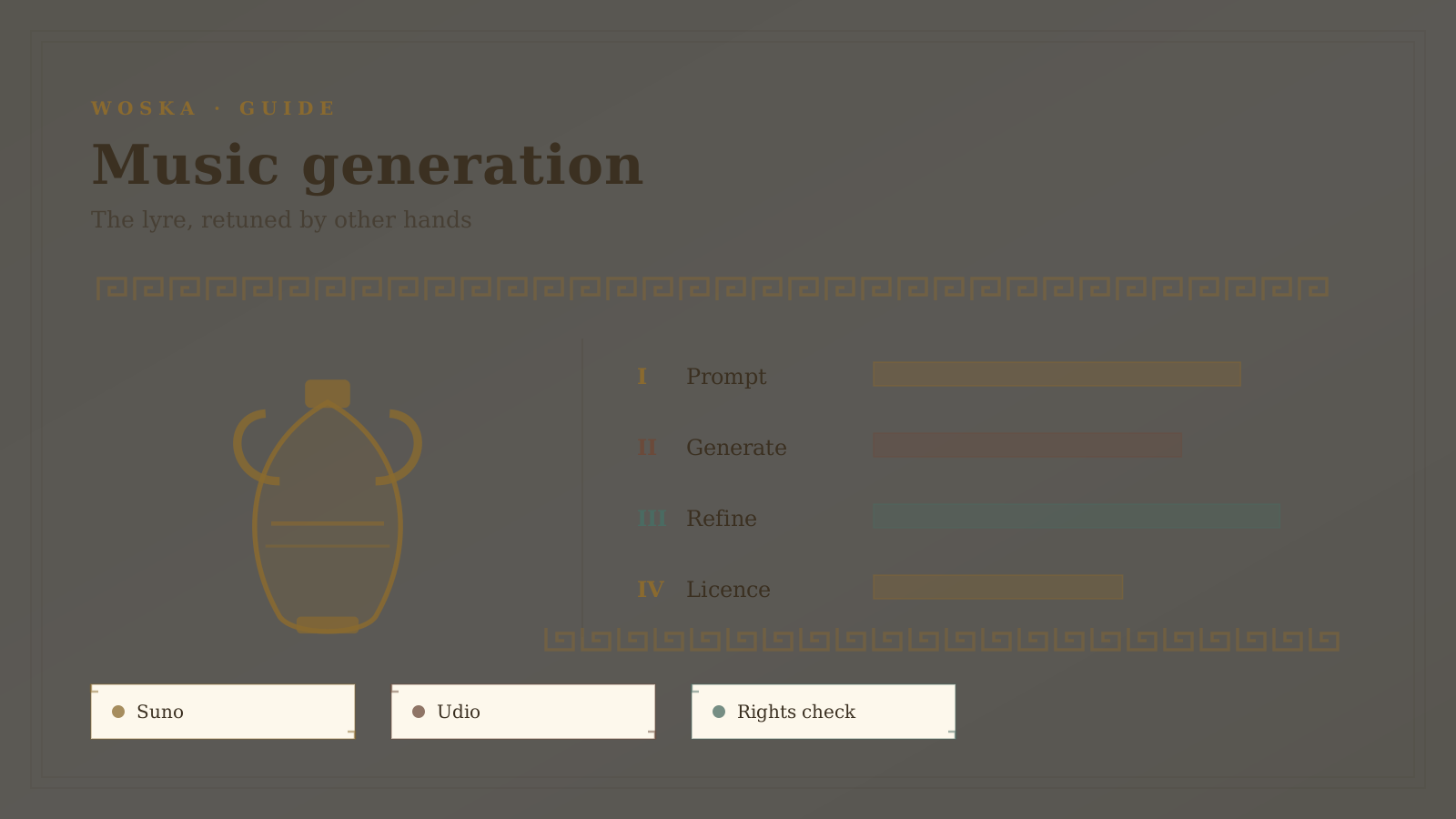
Why Suno is the strongest starting point
Suno turns a text prompt into a full song — structure, instrumentation, lyrics, and vocals — with less fighting than anything else in the category. For creators who need background music for a video, a podcast intro, or a demo of a song idea, that completeness is the whole value.
Its higher tier adds a DAW-style environment with timeline editing, stem separation, and MIDI export, which closes most of the gap with traditional production tools. That matters because the usual complaint about generated music is that you cannot fix the one bar that is wrong. Stems and a timeline make it editable.
The free tier is genuinely usable for evaluation, which is the main reason to start here regardless of where you end up.
Pricing: Freemium, with paid tiers roughly $10–$30/mo depending on commercial rights and features. Always confirm the live vendor page before buying because AI products often change credits, limits, and plan names.
When Udio is the better choice
Udio's reputation is built on vocal quality. Phrasing, breath, and emotional delivery tend to land more naturally, and the high-resolution audio output holds up better when the track sits in a real mix rather than under a voiceover.
Choose Udio when the music is the product — an artist demo, a released track, something a listener will actually pay attention to. The tradeoff is more iteration to get a complete arrangement, and a slower path from prompt to finished song.
Where ElevenLabs fits
Worth naming because the categories blur: if what you need is a voice rather than music — narration, character dialogue, a podcast read — a music generator is the wrong tool. ElevenLabs handles speech, and the text to speech guide covers that decision.
Some projects need both: generated music underneath generated narration. They are separate tools and separate subscriptions.
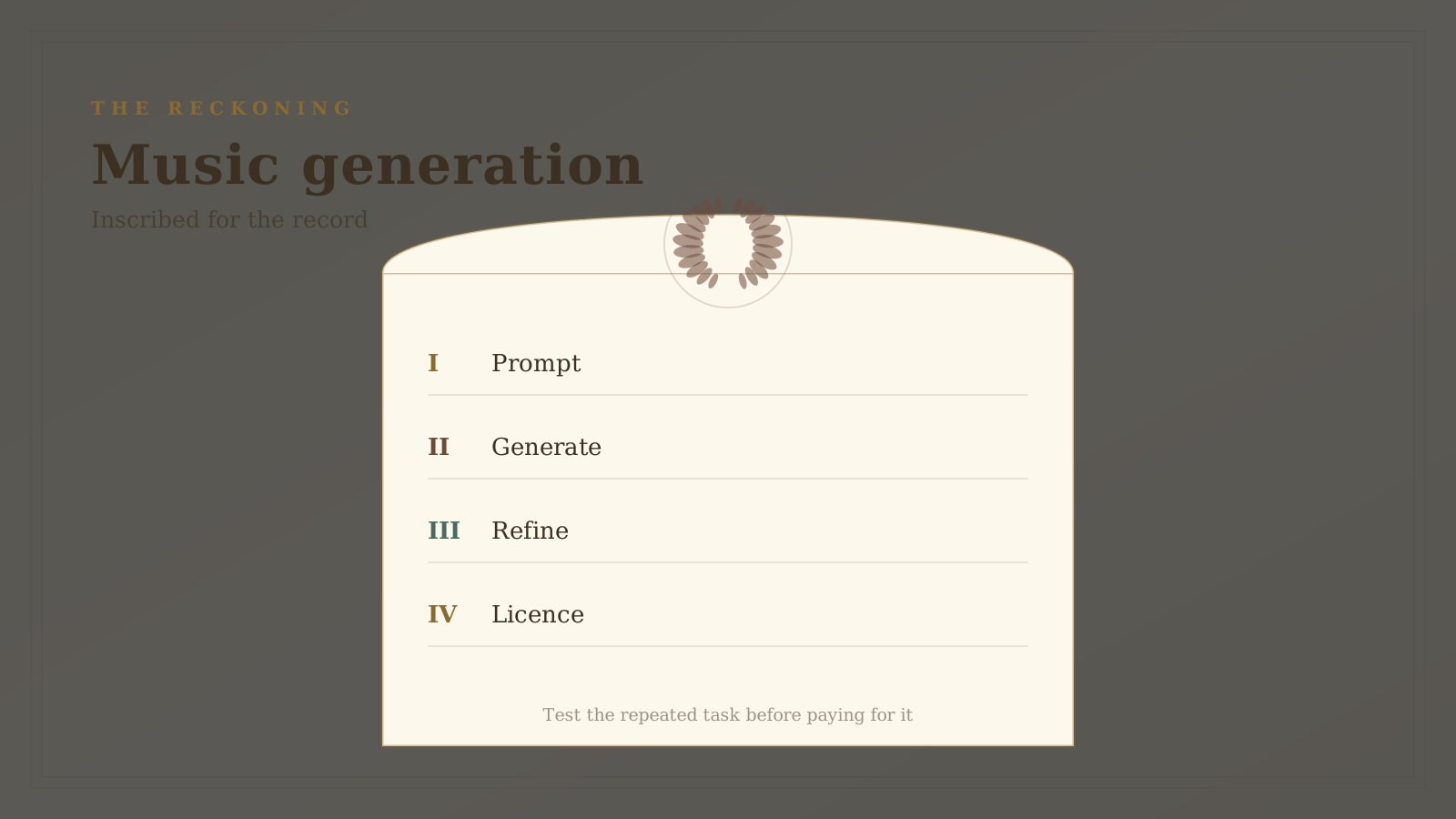
The licensing question you have to answer first
This is the part that matters more than audio quality, and it is where people get caught.
- Commercial rights usually require a paid plan. Free tiers on both platforms typically grant personal use only. Monetized YouTube counts as commercial.
- Rights depend on your plan at the time of generation. Downgrading later can affect what you may keep using. Keep records of what was made under which plan.
- Copyright status of AI-generated music is unsettled. In several jurisdictions, purely AI-generated output may not be protectable, meaning you may not be able to stop someone else using your track.
- Platform detection is a live issue. Streaming and content platforms are increasingly tagging AI-generated audio, and policies change faster than this page updates.
Read the current terms on the vendor's site before you build anything commercial on generated music. Do not rely on a summary — including this one.
Quick comparison
| Tool | Starting price | Core job | Use it when |
|---|---|---|---|
| Suno | Freemium | complete songs from a prompt | You need usable music fast |
| Udio | Freemium | high-fidelity audio and vocals | The track is the deliverable |
| ElevenLabs | Freemium | speech and voice, not music | You need narration or dialogue |
How to choose
Generate the same prompt on both free tiers and listen on the equipment your audience will use. Phone speakers hide the fidelity differences that make Udio worth it; headphones make them obvious. If you cannot hear a difference on your actual distribution channel, Suno's speed wins.
Then check the licence for your intended use before you commit to a plan, not after.
FAQ
Can I monetize AI-generated music on YouTube? Generally yes on a paid plan that grants commercial rights, but platform policies on disclosing AI-generated content are tightening and vary by service. Confirm both your generator's licence terms and the destination platform's current policy.
Is AI-generated music copyrightable? The legal position is unsettled and differs by country. In several jurisdictions, work without meaningful human authorship may not qualify for copyright protection, which means you may not be able to prevent others from using it. Treat this as an open question, not a settled one.
Do these tools replace a composer? For background and utility music — video beds, podcast intros, placeholder scoring — they cover a lot of what stock libraries used to. For work where the music carries the emotional weight, they are a drafting tool rather than a replacement.
Which is better for lyrics? Both generate lyrics, and both produce fairly generic ones. Writing your own lyrics and feeding them in produces noticeably better results than prompting for a theme.
Related guides
- Best AI Music Generator With Vocals in 2026: Suno vs Udio vs ElevenLabs vs Stable Audio
- Free & Cheap AI Music Generators Without Copyright Risk in 2026
- Best AI tool for text to speech
- Top 3 AI tools for podcast editing
- Explore Audio & Voice tools
- All woska guides
*Ratings and pricing reviewed monthly. Last updated July 2026.*
Bogdex · Founder & editor, woska
Bogdex builds and curates woska, testing AI tools against real workflows to judge which ones actually save time rather than which have the longest feature list.