The best tools for podcast editing in 2026 are Descript, Adobe Podcast, Krisp. They are not interchangeable: each one solves a different part of the workflow, so the right choice depends on the job you need finished first.
This guide treats the tools as a shortlist, not a ranking where one product replaces all the others. If you are choosing quickly, decide whether your pain is creation, editing, automation, research, or delivery, then test the matching tool with one real task.
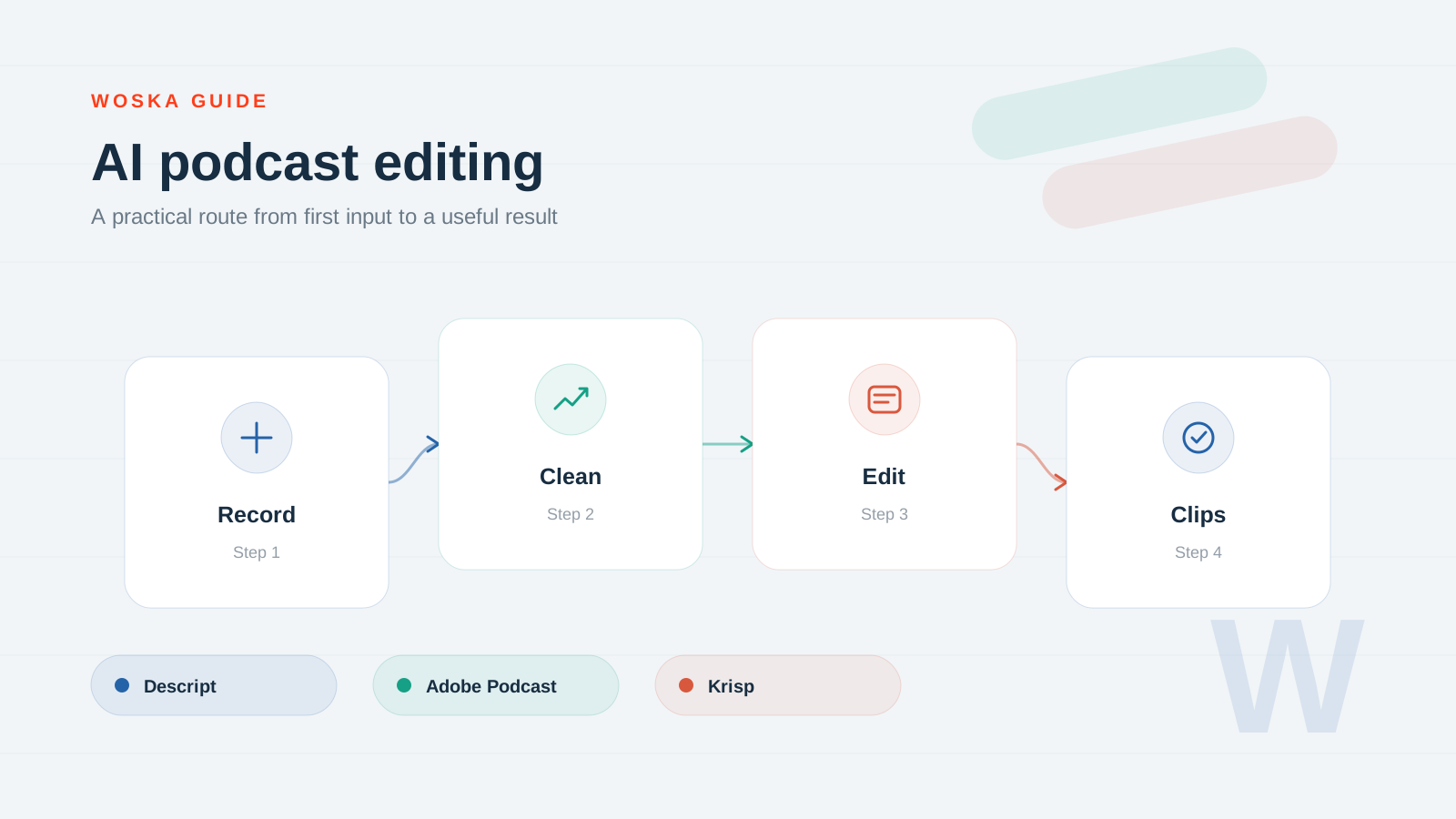
The shortlist
Descript
Descript is the main editing pick because it lets creators edit spoken audio like a document. That is ideal for interviews, solo episodes, and short clips.
Adobe Podcast
Adobe Podcast is the cleanup tool to know. It can improve rough speech recordings and make low-quality audio easier to use before final editing.
Krisp
Krisp belongs earlier in the workflow. It reduces noise during calls and recordings, which means fewer problems to fix after the episode is captured.
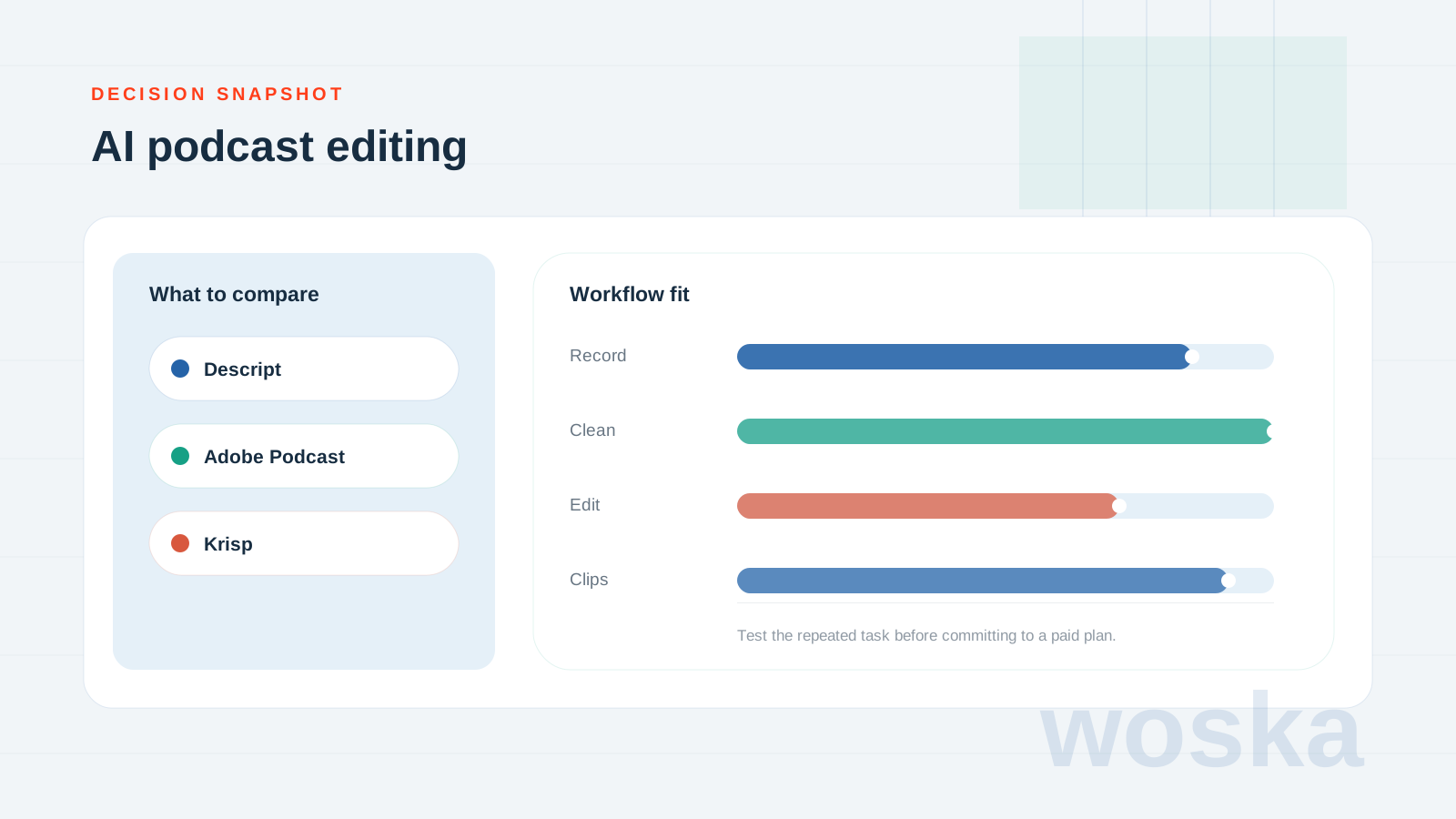
Quick comparison
| Tool | Starting price | Core job | Best fit |
|---|---|---|---|
| Descript | From $24/mo | transcript-based editing | Transcript-based editing |
| Adobe Podcast | Freemium | speech cleanup | Speech enhancement |
| Krisp | Freemium | call audio cleanup | Noise reduction during calls |
Which one should you use?
Use Krisp before recording, Adobe Podcast to rescue rough audio, and Descript to edit the episode into a finished piece.
The safest approach is to avoid testing every tool at once. Pick the one that matches today's workflow, run one realistic task, then add a second tool only if the first one fails on a clear requirement.
FAQ
Do I need all 3 tools? No. Most people should start with one. The value of this list is knowing which tool to test for each workflow, not building a bloated stack.
Are free plans enough for serious work? Sometimes. Free plans are good for testing output quality, but paid plans usually matter when you need exports, higher limits, team access, or commercial usage.
How should I compare results fairly? Use the same input, the same deadline, and the same success criteria. The winner is the tool that needs the least manual fixing after the first useful output.
Related guides
*Ratings and pricing reviewed monthly. Last updated June 2026.*
Bogdex · Founder & editor, woska
Bogdex builds and curates woska, testing AI tools against real workflows to judge which ones actually save time rather than which have the longest feature list.