Carta is the best pick for startups heading toward institutional funding — it remains the market leader and the safest choice since investors, law firms, and auditors all speak Carta natively, and it bundles 409A valuations with compliance reporting. Pulley is the best pick for founders who want transparent pricing they can see before ever getting on a sales call, plus the fastest 409A valuation turnaround in the category. Both replace a spreadsheet cap table that inevitably breaks once your first real fundraising round closes.
The two, in one line each
Carta dominates US Series A through C cap table management, offering a free Launch tier for companies under 25 stakeholders and under $1M raised, and bundling 409A valuations and compliance reporting that investors and auditors already trust by default.
Pulley built its reputation on transparent pricing (published openly on its site) and a clean, founder-friendly interface, with a Growth tier 409A turnaround of just 3-5 business days — the fastest in the category.
Where each one actually wins
Carta wins on institutional trust and safety — because it's the market leader, investors, law firms, and auditors already know how to work with it natively, which removes friction during due diligence and future fundraising rounds specifically because it's the default everyone already expects. Pulley wins on founder experience and value — its transparent, published pricing means you know the cost before ever talking to sales, and its fastest-in-category 409A turnaround matters when you need a valuation quickly for an option grant or new hire.
If you're heading toward a Series A or later and want the platform every investor and lawyer already recognizes, Carta's market position itself is a real advantage, not just a feature comparison. If you're earlier-stage and want to save 30-40% with transparent pricing and a founder-friendly experience while accepting a narrower feature set, Pulley is the more direct value pick.
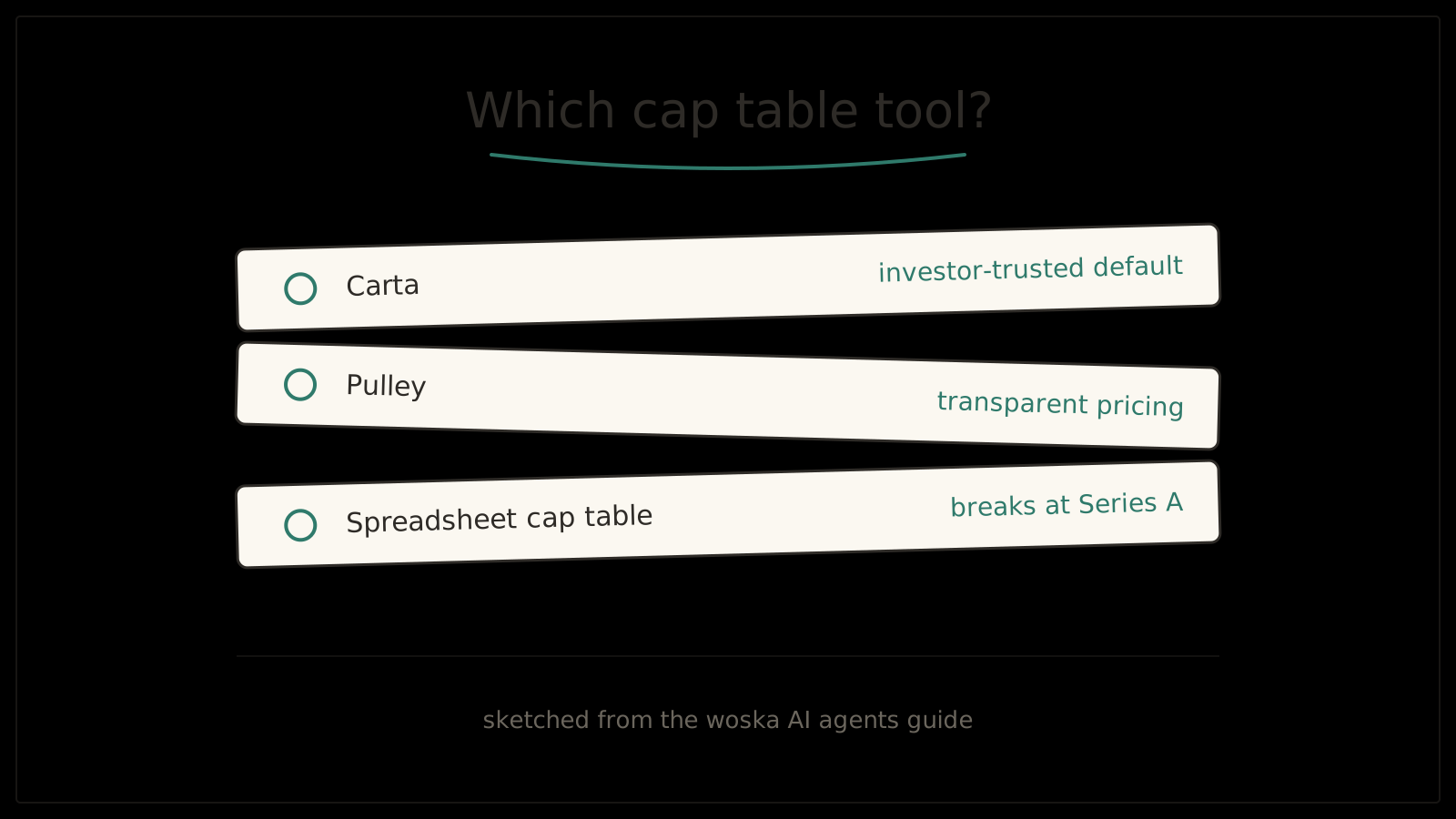
Quick comparison
| Tool | Starting price | Core job | Best fit |
|---|---|---|---|
| Carta | Free Launch tier (under 25 stakeholders) | Market-standard cap table + compliance | Heading toward institutional funding |
| Pulley | $1,200/yr Startup plan | Transparent-pricing cap table + fast 409A | Value-focused founders, earlier stage |
Which one should you use?
Choose Carta if you're approaching or past a Series A and want the cap table platform every investor and law firm already recognizes by default. Choose Pulley if you're earlier-stage, want to see pricing upfront without a sales call, and value the fastest 409A turnaround in the category.
FAQ
Can I switch from a spreadsheet directly to either platform, or do I need Series A first? Both work from a company's earliest stage — Carta's free Launch tier and Pulley's Startup plan are both built for pre-seed and seed companies, well before a spreadsheet cap table would otherwise break.
Is Carta's market dominance actually a functional advantage, or just brand recognition? Both — it's genuine brand recognition, but that recognition translates into a real functional advantage, since investors, lawyers, and auditors already know its interface and data format, which reduces friction during time-sensitive events like a funding round.
Why does 409A valuation speed matter for a cap table platform? A 409A valuation sets the strike price for employee stock options — if you're hiring and need to grant options quickly, a slow 409A turnaround can delay onboarding a new hire's equity, which is why Pulley markets its fast turnaround as a specific differentiator.
Do European startups have equally good options between these two? Carta and Pulley both operate in the US market primarily — Ledgy is generally considered the category leader specifically for European equity structures, multi-currency cap tables, and EU compliance requirements.
What happens to historical data if I switch cap table providers later? Both platforms support exporting and importing cap table history during a migration, but expect some manual verification work to make sure historical grants, exercises, and valuations carried over correctly.
Related guides
- TAM, SAM, SOM Explained: How to Size a Market Investors Will Believe
- How to Calculate Your Break-Even Point
- Best AI Business Plan Generator in 2026
- Explore Business & Sales tools
*Ratings and pricing reviewed monthly. Last updated September 2026.*
Bogdex · Founder & editor, woska
Bogdex builds and curates woska, testing AI tools against real workflows to judge which ones actually save time rather than which have the longest feature list.