Puzzle.io wins for startups that want AI-native books built from day one instead of retrofitted onto older software, Digits wins for the clearest live financial dashboard and the least manual categorization, and QuickBooks Advanced wins if you need something your accountant already knows and trusts. None of these replace a human accountant for tax filing or judgment calls — what they replace is the manual, repetitive categorizing and reconciling that used to eat a founder's or bookkeeper's week.
If invoicing and outreach automation are the bigger pain point than the books themselves, our Top 3 AI Tools for Solopreneurs guide covers more ground.
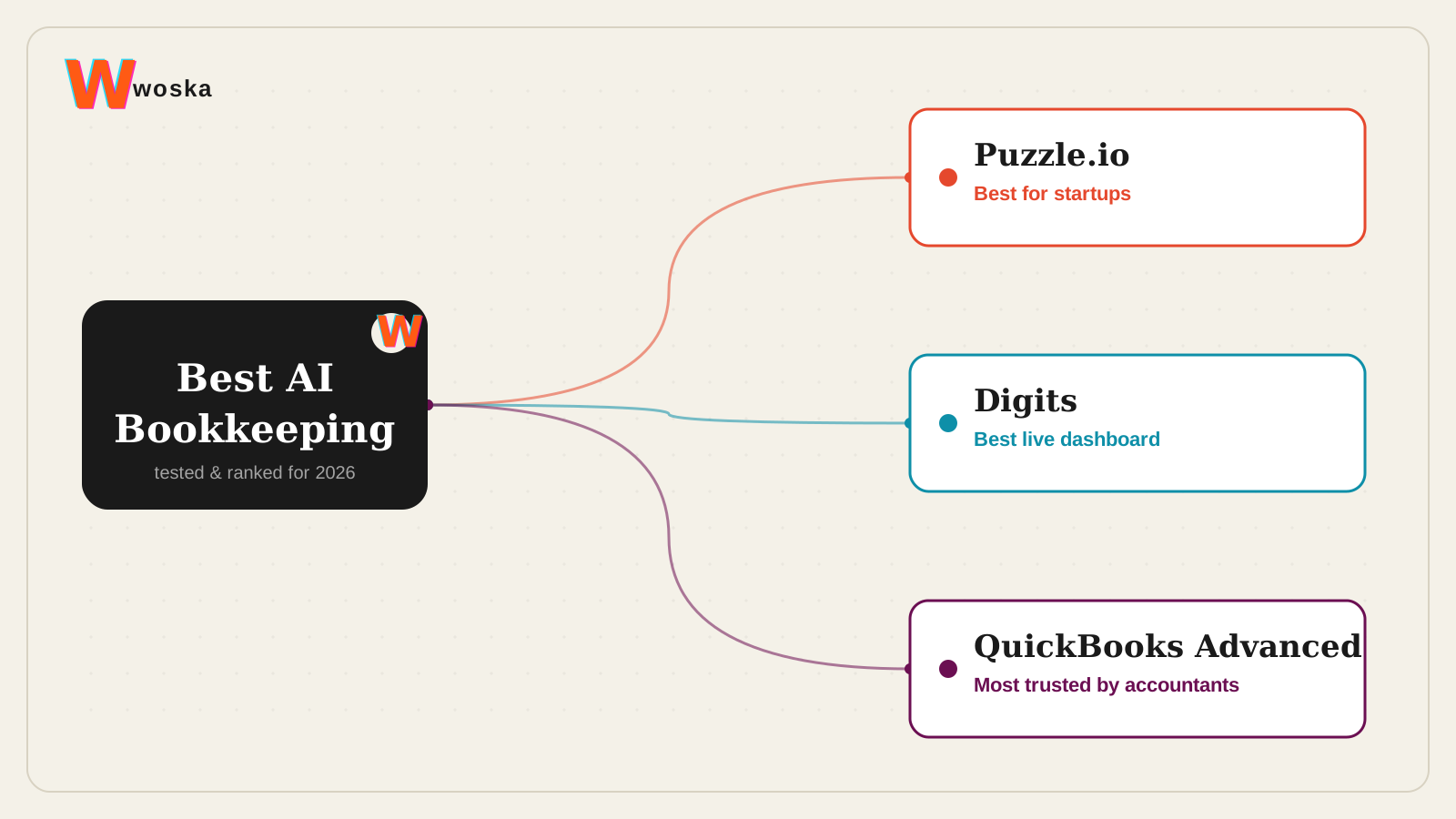
The three, in one line each
Puzzle.io is built AI-native rather than AI-added: it closes the books automatically and gives founders a real-time financial picture instead of a monthly PDF from a bookkeeper.
Digits pairs automatic transaction categorization with a genuinely live dashboard, invoicing, and bill pay, so the financial picture updates as transactions happen rather than after a reconciliation cycle.
QuickBooks Advanced now includes Intuit's Accounting, Payments, and Payroll AI agents directly inside the platform most accountants and bookkeepers already use, which matters most if you'll eventually hand books off to a professional.
Where each one actually wins
Puzzle.io rewards startups without an existing accounting setup who want to start clean with AI doing the categorization from the first transaction. Digits rewards founders who want to check the financial state of the business the way they'd check any other live dashboard, without waiting for month-end close. QuickBooks Advanced rewards businesses that will keep working with outside accountants or bookkeepers, since compatibility with what your accountant already uses is worth more than a cleaner AI layer on unfamiliar software.
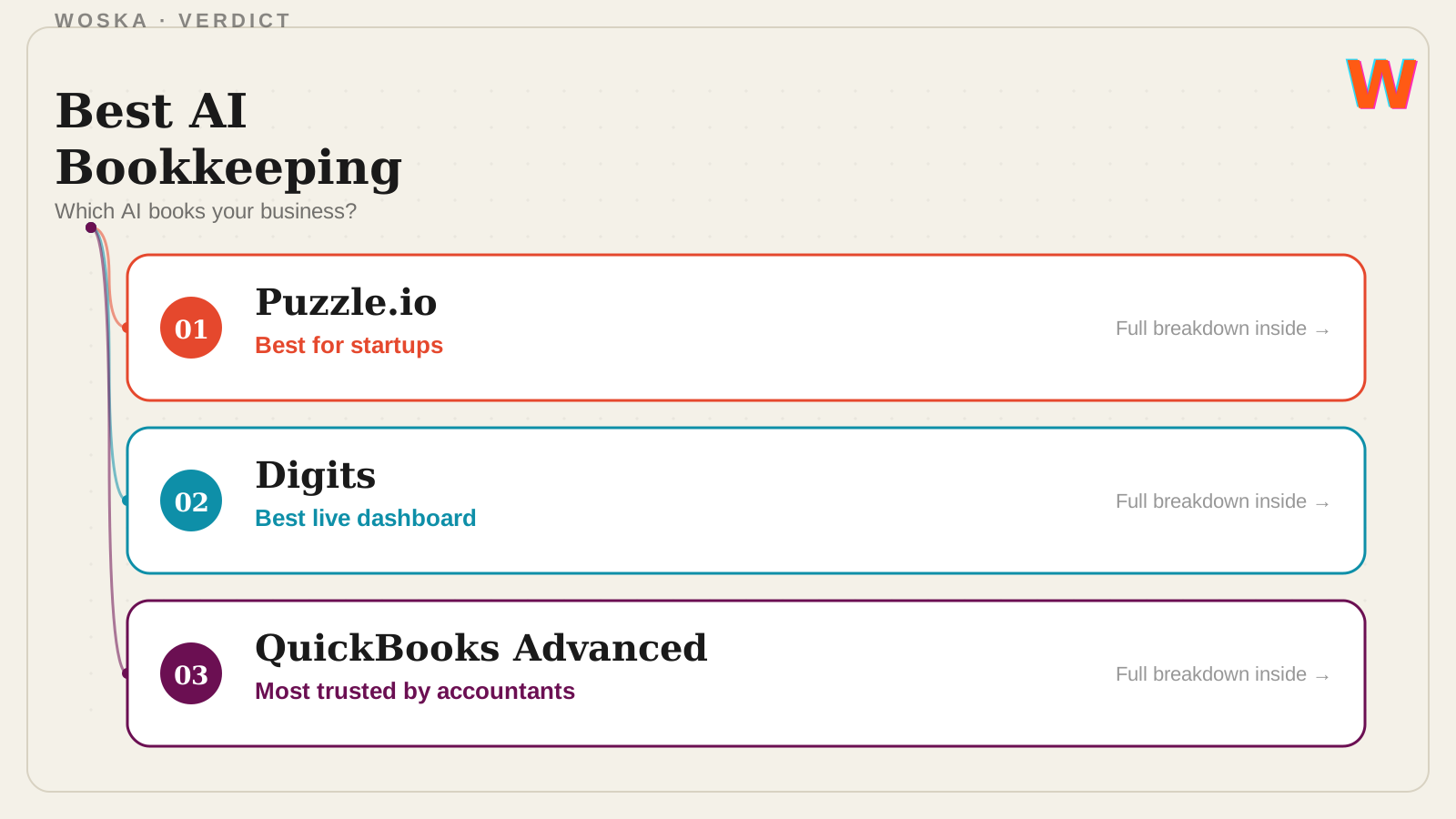
Quick comparison
| Tool | Starting price | Core job | Best fit |
|---|---|---|---|
| Puzzle.io | Custom, contact sales | AI-native automated close | Startups starting clean |
| Digits | From $65/mo | live dashboard + categorization | Wanting a real-time financial picture |
| QuickBooks Advanced | From $275/mo | AI agents inside familiar software | Businesses working with outside accountants |
Which one should you use?
Use Puzzle.io if you're a startup setting up books for the first time and want AI handling the close from day one. Use Digits if you want a live, always-current view of the business's finances without waiting on a bookkeeper's schedule. Use QuickBooks Advanced if you already work with — or plan to hire — an outside accountant who'll expect QuickBooks.
FAQ
Can AI bookkeeping tools actually replace a bookkeeper? They replace most of the manual categorization and reconciliation work, not the judgment calls around edge cases, tax strategy, or compliance. Most businesses still want a human reviewing the books periodically, especially around tax season.
Is switching from spreadsheets to one of these worth it for a very small business? Usually yes once transaction volume makes manual tracking genuinely time-consuming — the AI categorization alone tends to pay for the subscription in time saved, even before counting the reduced error rate.
Which is cheapest for a brand-new small business? Digits' entry tier is the most accessible fixed price of the three; Puzzle.io requires a sales conversation, and QuickBooks Advanced's AI agents are gated behind its most expensive tier.
Will my accountant be able to work with Puzzle.io or Digits, or only QuickBooks? Most accountants can work with any of the three since they all export standard financial statements, but accountants and bookkeepers are far more likely to already know QuickBooks specifically, which can save onboarding time.
Related guides
- Best AI Expense Tracking Tool for Freelancers & Small Business in 2026
- Best AI Invoicing Tool for Freelancers in 2026
- Best AI Business Plan Generator in 2026
- AI Tools for Accountants and Accounting Firms in 2026
- Part of our complete guide: AI Tools for Sales & Business Ops
- Best AI Tools for Solopreneurs
- Best AI CRM Assistant in 2026
- Top 3 AI Tools for Ecommerce Businesses
- Explore Business & Sales tools
*Ratings and pricing reviewed monthly. Last updated August 2026.*
Bogdex · Founder & editor, woska
Bogdex builds and curates woska, testing AI tools against real workflows to judge which ones actually save time rather than which have the longest feature list.