Invoicer.ai wins for the fastest path to a finished invoice — describe the line items in plain English and it drafts the invoice and estimate for you, without a broader accounting suite attached. Wave wins as the free option, with unlimited invoices and clients included alongside basic accounting tools at no cost. Bonsai wins for freelancers who need more than invoicing — contracts, proposals, and a client portal bundled into the same all-in-one platform, at the cost of a per-payment processing fee. The fastest-growing trend in 2026 invoicing is describing what you want in plain language and letting AI draft the document — the difference between these three is how much beyond that single invoice they're also trying to handle.
Where each one actually wins
Invoicer.ai is AI-native from the ground up: describe an invoice or estimate in natural language and it drafts a complete, professional document, with unlimited clients and invoices even on its basic $10/month plan. It's a good fit for freelancers who specifically want AI-assisted invoicing without a full accounting suite they won't use.
Wave offers unlimited invoices and clients for free, alongside basic accounting tools, making it the most budget-friendly comprehensive option of the three. There's no AI-native drafting the way Invoicer.ai offers, but for straightforward, recurring invoicing needs, the price is hard to beat.
Bonsai goes furthest beyond invoicing alone, bundling contracts, proposals, time tracking, and a client portal into one platform — useful if invoicing is just one part of running your freelance business rather than the whole need. It charges a per-payment processing fee (around 3%) on top of the subscription, worth factoring into the real cost.
Quick comparison
| Tool | Core job | Starting price | Best fit |
|---|---|---|---|
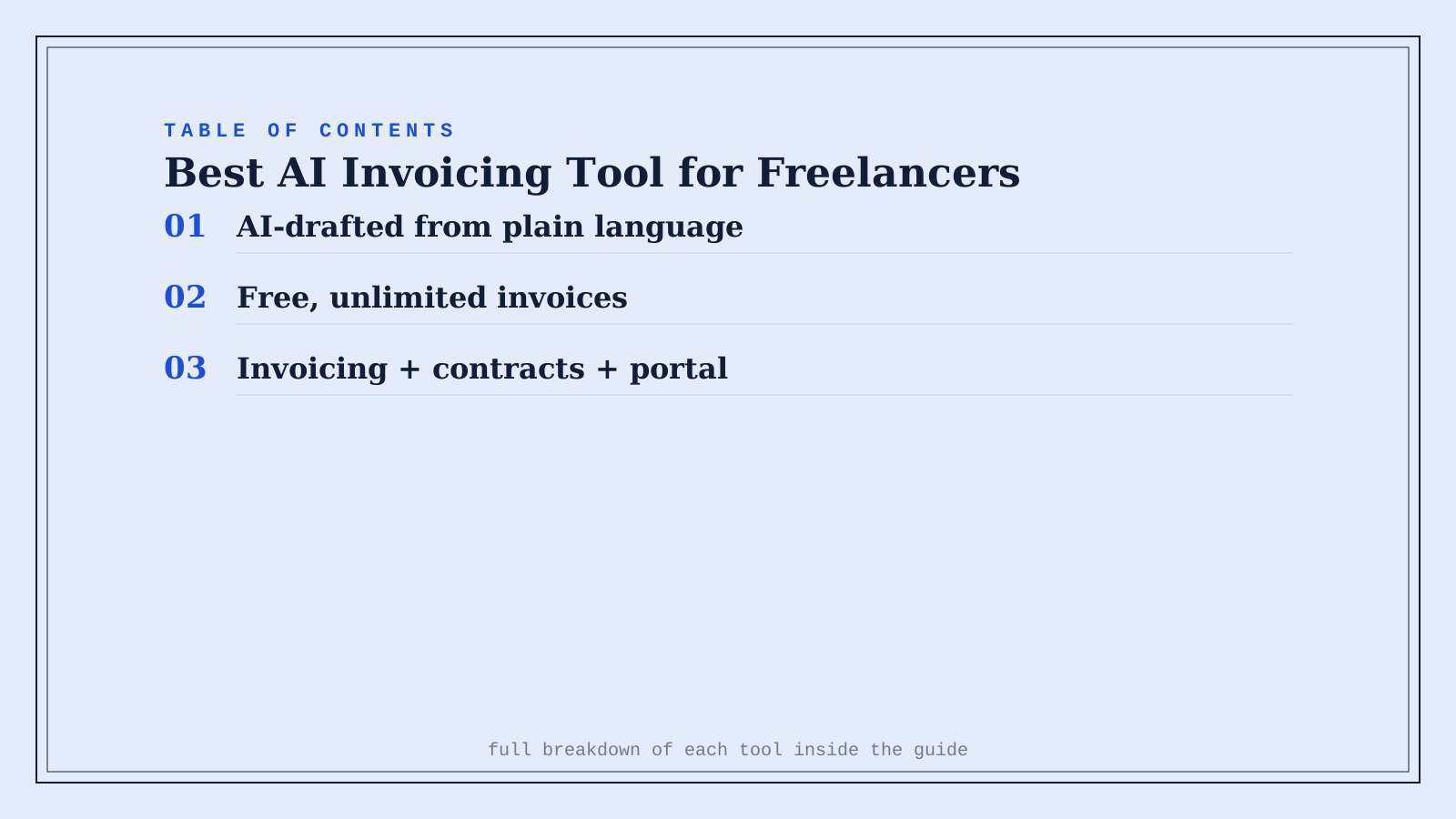
| Invoicer.ai | AI-drafted invoices from plain language | $10/mo | Fast, AI-native invoicing, nothing extra |
| Wave | Free, unlimited invoices and clients | Free | Budget-conscious, straightforward invoicing |
| Bonsai | Invoicing + contracts + client portal | $15/user/mo + 3% payment fee | Running the whole freelance business in one tool |
Which one should you actually use?
Start with Wave if invoicing and basic bookkeeping are all you need and cost matters most. Move to Invoicer.ai if you want the fastest, most AI-native invoice creation without extra accounting features you won't use. Use Bonsai once contracts, proposals, and client management belong in the same tool as your invoices, and you're comfortable with the added payment processing fee.
FAQ
Do any of these tools help with late-paying clients? Yes — all three support automated payment reminders for overdue invoices, and Bonsai specifically adds recurring and subscription invoices that auto-charge a client's card on file, reducing how often you have to chase a payment manually.
Is Bonsai's 3% payment processing fee actually higher than the alternatives? It's on the higher end compared to standard card-processing rates (typically 2.9%+ a flat fee), so factor that into the total cost if you invoice a high volume through the platform rather than comparing subscription price alone.
Can I switch from one of these tools to another later without losing my client and invoice history? Most support exporting client lists and invoice history, but the migration is rarely seamless — factor in some setup time if you switch, and export your data periodically regardless of which tool you use as a backup.
Which tool is best for a freelancer just starting out with very few clients? Wave's free tier is the lowest-risk starting point with no clients or invoice limits — you can always move to Invoicer.ai or Bonsai later once your needs (or client volume) actually justify the added cost.
Related guides
- Best AI Expense Tracking Tool for Freelancers & Small Business in 2026
- Top 5 AI Tools for Freelancers
- Explore Business & Sales tools
*Ratings and pricing reviewed monthly. Last updated September 2026.*
Bogdex · Founder & editor, woska
Bogdex builds and curates woska, testing AI tools against real workflows to judge which ones actually save time rather than which have the longest feature list.