Udio still leads on the most natural-sounding vocals and the clearest commercial-use footing among AI music generators, built by ex-Google DeepMind engineers who settled licensing litigation with major labels rather than leaving it unresolved. It's best used as a source of inspiration and full-song drafts rather than a finished production engine — inpainting lets you regenerate a specific section while keeping the rest of a track intact, which suits iteration over one-shot perfection.
If you specifically want the widest volume of generations per month rather than the highest vocal quality, see how Suno compares below.
What Udio actually does
Udio turns a text prompt describing style, mood, or a musical idea into a full song — melody, structure, and often vocals — in under 30 seconds, entirely in the browser. Paid plans run from about $10 to $30/month depending on generation volume, with a free tier covering up to 100 credits and three full-length generations a day.
Where it wins, and where it doesn't
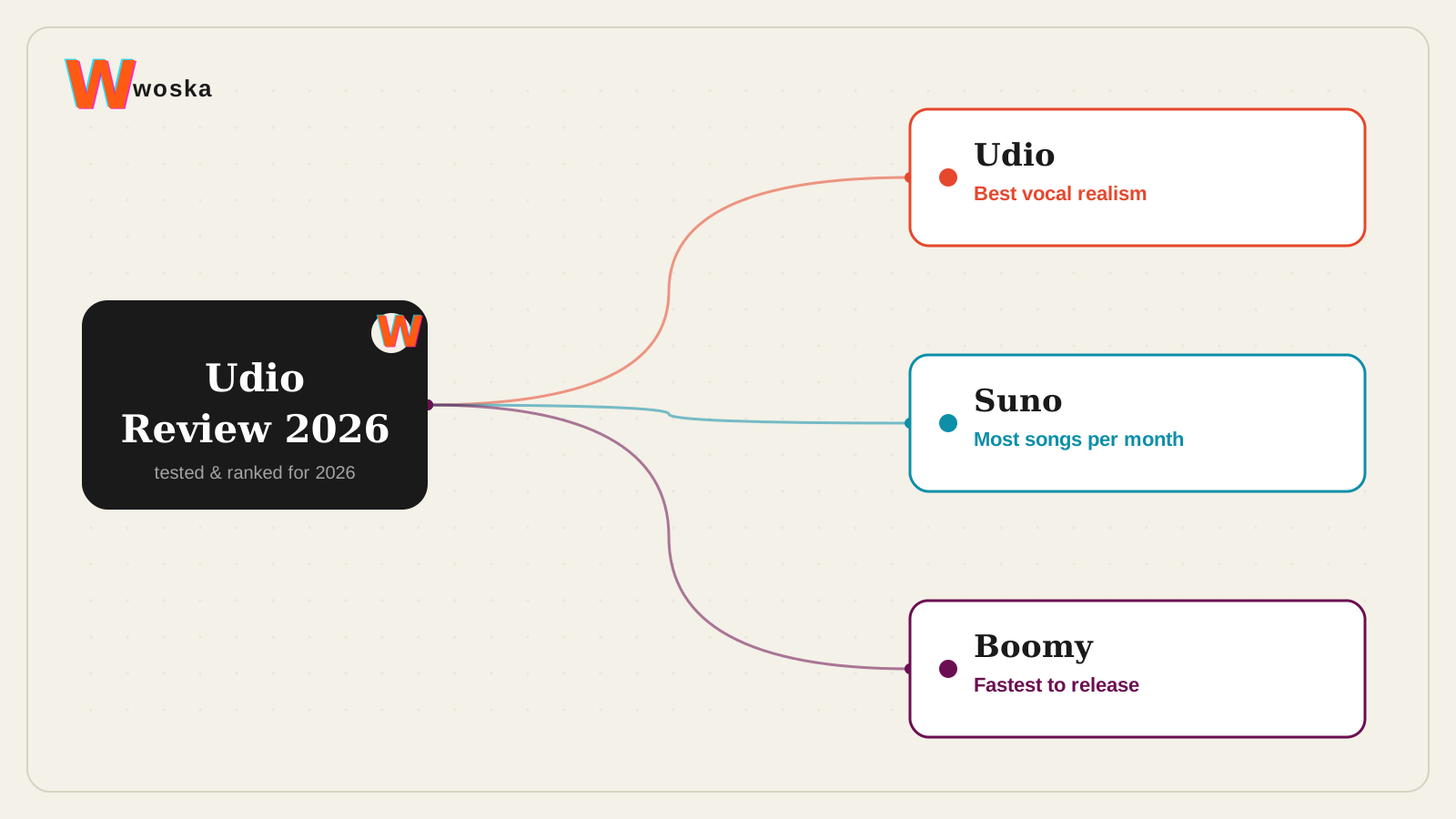
It wins clearly on vocal realism — Udio's vocals are consistently rated the most natural-sounding among mainstream AI music tools — and on commercial confidence, since its licensing settlements with Universal Music Group and Warner Music Group give commercial users a cleaner legal footing than some competitors still navigating that same litigation.
It loses ground on raw output volume and price-per-song. Suno generates more songs per month at a comparable price point, which matters if you're producing at volume rather than a handful of polished tracks. Boomy wins specifically for getting a finished track distributed to Spotify and other platforms fastest, since streaming distribution is built into its core workflow rather than a separate step.
Quick comparison
| Tool | Starting price | Core job | Best fit |
|---|---|---|---|
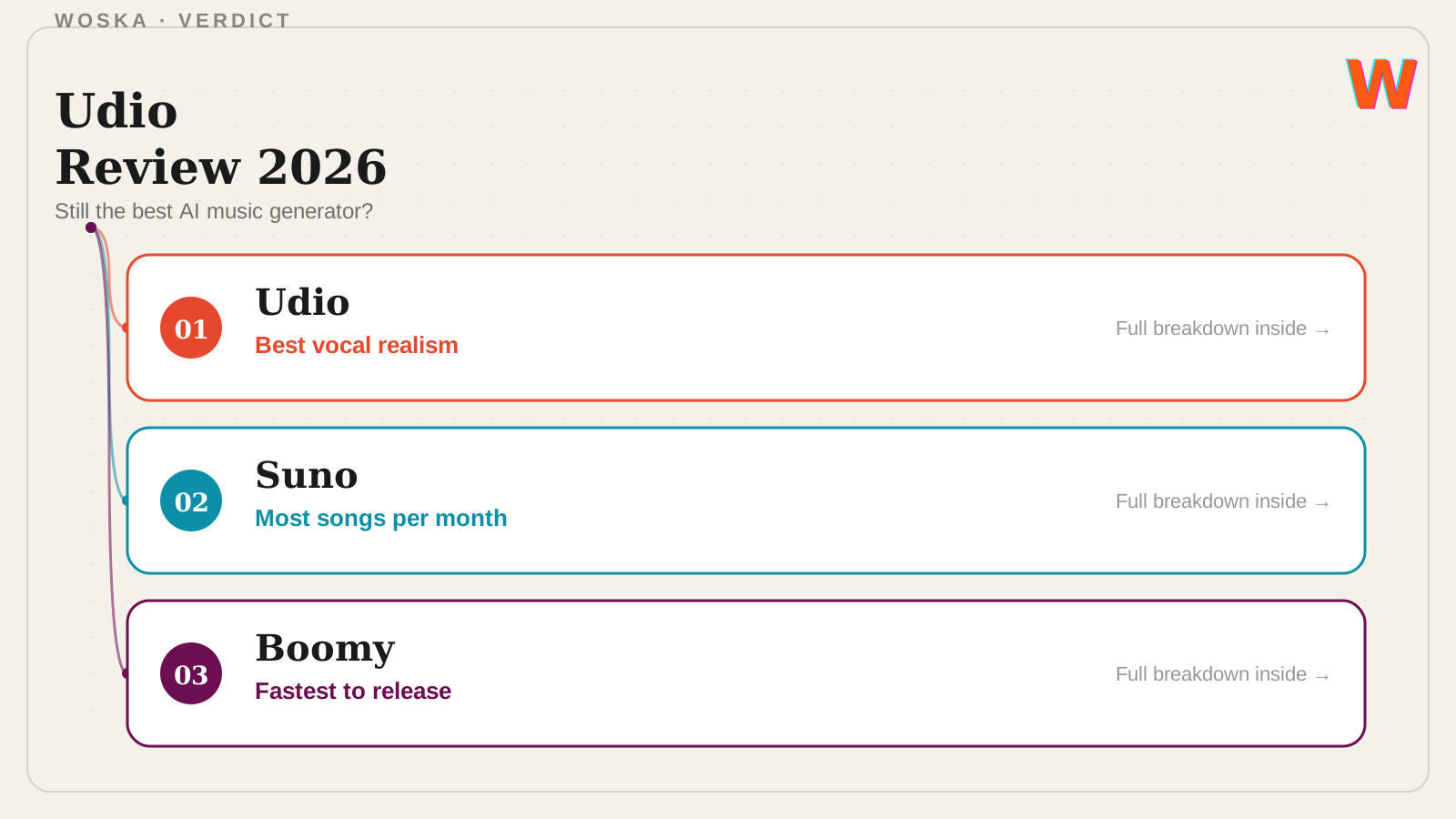
| Udio | Free tier, from ~$10/mo | high-realism AI song generation | Best vocal quality and licensing confidence |
| Suno | Free tier, freemium | high-volume song generation | Most songs per month |
| Boomy | Free tier, from ~$10/mo | song generation + streaming distribution | Fastest path to a released track |
Should you use it?
Use Udio when vocal quality and commercial-use confidence matter more than raw volume. Use Suno when you're generating at higher volume and want more songs for a similar price. Use Boomy if the actual goal is getting a track live on Spotify or Apple Music quickly, not iterating on production quality.
FAQ
Can I use Udio-generated music commercially? Paid plans permit commercial use, and Udio's settled litigation with major labels gives it a cleaner legal footing than tools still in active disputes — though you should still confirm current terms before using a track in anything with real commercial stakes.
Is Udio's free tier good enough to test it? Yes, 100 credits and three full-length generations a day is enough to judge vocal quality and style range before paying anything.
Which is better for a YouTube video's background music: Udio or Suno? Both work well for this; Suno's higher generation volume per dollar tends to suit creators producing frequent content, while Udio's inpainting is useful if you want to iterate on one track rather than generate many quickly.
Does Udio require any music production skill to use? No — it's designed for people with no production background, though basic knowledge of genre and mood terminology helps get better first-pass results from a prompt.
Related guides
- Best AI Tool for Music Generation
- Suno vs Udio
- Best AI Video Dubbing & Lip Sync Tool in 2026
- Explore Audio & Voice tools
*Ratings and pricing reviewed monthly. Last updated August 2026.*
Bogdex · Founder & editor, woska
Bogdex builds and curates woska, testing AI tools against real workflows to judge which ones actually save time rather than which have the longest feature list.