Choosing the right AI tool starts with naming the specific job you need done, not browsing a list of the "best AI tools of 2026" and picking whatever ranks first. A tool that's excellent at long-form writing is the wrong pick for scheduling automation, no matter how good its reviews are. The category someone else ranked it in matters less than whether it does the one thing you actually need.
This is the framework, not a single "best" answer — with thousands of AI tools now competing for the same handful of jobs, the fastest way to pick wrong is to shop by hype instead of by task.
Start with the job, not the tool
Before opening a single comparison article, write one sentence describing the task: "draft first-pass replies to inbound leads," "turn a messy meeting recording into notes," "generate ad variations without briefing a designer each time." If you can't state the job in one sentence, you're not ready to evaluate tools yet — you're still defining the problem, and no tool fixes an undefined problem.
General-purpose assistants like ChatGPT are a reasonable place to test a vague idea before it's specific enough to need a dedicated tool — use it to think through the job itself, not as the final answer.
The questions that actually narrow it down
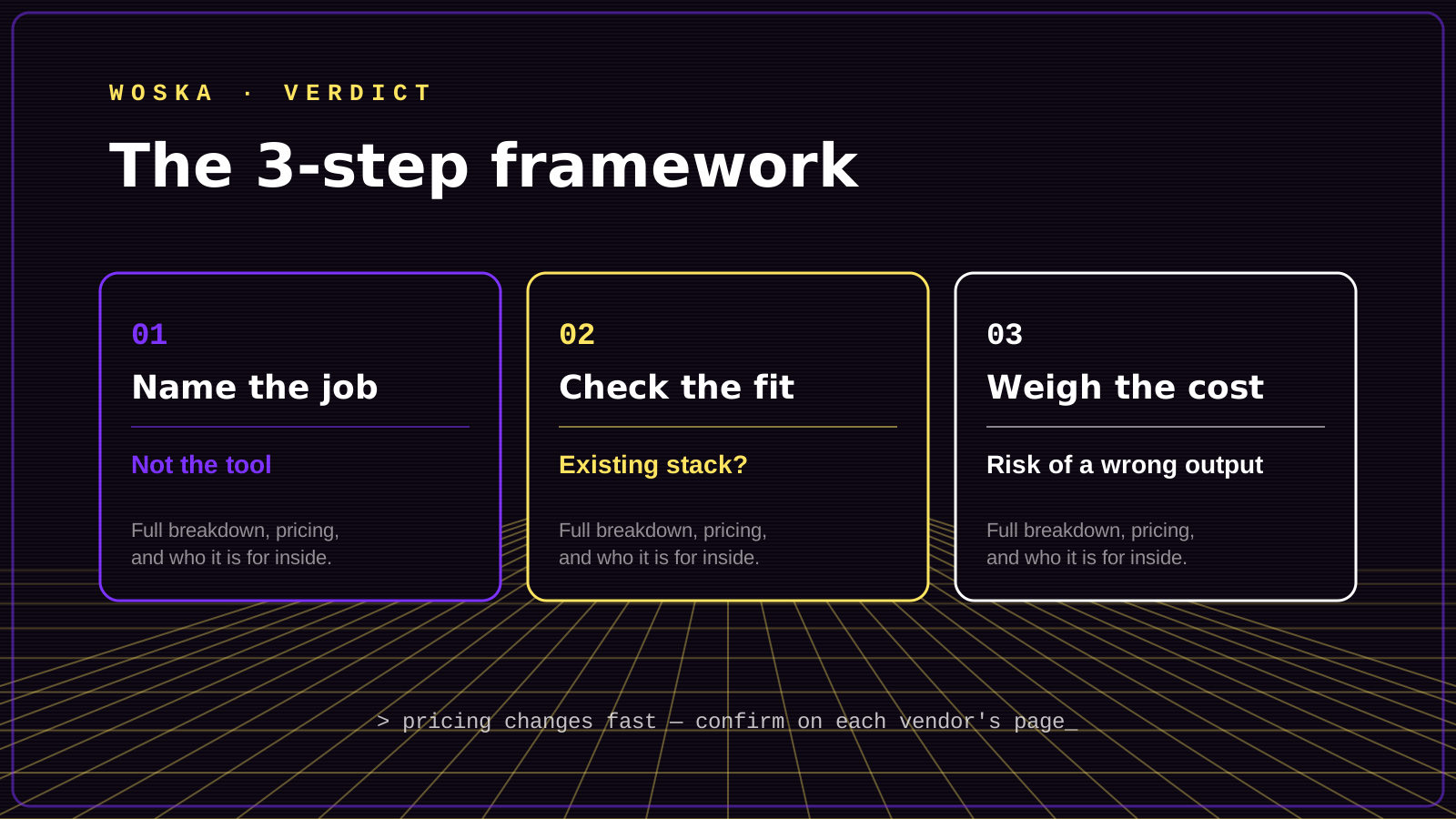
Once the job is specific, three questions do most of the filtering:
- Does this need to happen inside a tool I already use, or can it be standalone? A tool that requires switching your whole team to a new platform has a much higher bar to clear than one that plugs into what you already run.
- Is the output the deliverable, or a step toward one? A tool generating final marketing copy needs different quality bars than one drafting a rough first pass a human will heavily edit.
- How much does a wrong output cost? Low-stakes drafts (a first-pass email reply) tolerate an imperfect AI tool. High-stakes outputs (a legal document, a customer-facing number) need either a much more reliable tool or a human review step you're not willing to skip.
Zapier is a useful example of the "plugs into what you already run" answer — it's rarely the most powerful automation option, but it's often the right one because it doesn't ask you to change anything else first.
When to pay for the expensive one anyway
Cheap and free tools are the right default, but there's a real exception: when the task is recurring, high-volume, and currently done manually by a person whose time is expensive. In that specific case, a pricier tool that fully automates the task can pay for itself in weeks, even at $100+/month, while a cheaper half-solution that still needs manual cleanup afterward doesn't actually save the time it claims to.
Quick comparison
| Question | If the answer favors cheap/free | If the answer favors paid/specialized |
|---|---|---|
| How often is this task done? | Occasionally | Daily or continuously |
| What's the cost of a wrong output? | Low, easily fixed | High, hard to reverse |
| Does it need to integrate with existing tools? | Standalone is fine | Must plug into your current stack |
Putting it together
Name the job, run it through the three questions above, and only then compare specific tools within that narrow category — not across the entire AI landscape. If you'd rather skip the manual framework and get a personalized starting point instead, the free AI Readiness Audit maps your business's actual workflows to the tools that fit and gives you a 30-day roadmap in about two minutes.
FAQ
How many AI tools should a small team be running at once? Fewer than it feels like you need. Most teams get more value from doing one or two workflows well than from trying five tools at once with no time to properly evaluate any of them.
Should I always start with the free tier? Almost always, yes — free tiers are usually enough to tell whether a tool fits your actual workflow before you commit budget to it.
What's the biggest mistake people make when choosing an AI tool? Picking based on a generic "best of" ranking instead of their specific job. The most-reviewed tool in a category is often built for a different use case than the one you actually have.
Related guides
- Part of our complete guide: AI Productivity & Personal Tools
- Take the free AI Readiness Audit
- Cheapest AI Tools That Still Deliver Results in 2026
- What Is an AI Opportunity Score?
*Ratings and pricing reviewed monthly. Last updated August 2026.*
Bogdex · Founder & editor, woska
Bogdex builds and curates woska, testing AI tools against real workflows to judge which ones actually save time rather than which have the longest feature list.