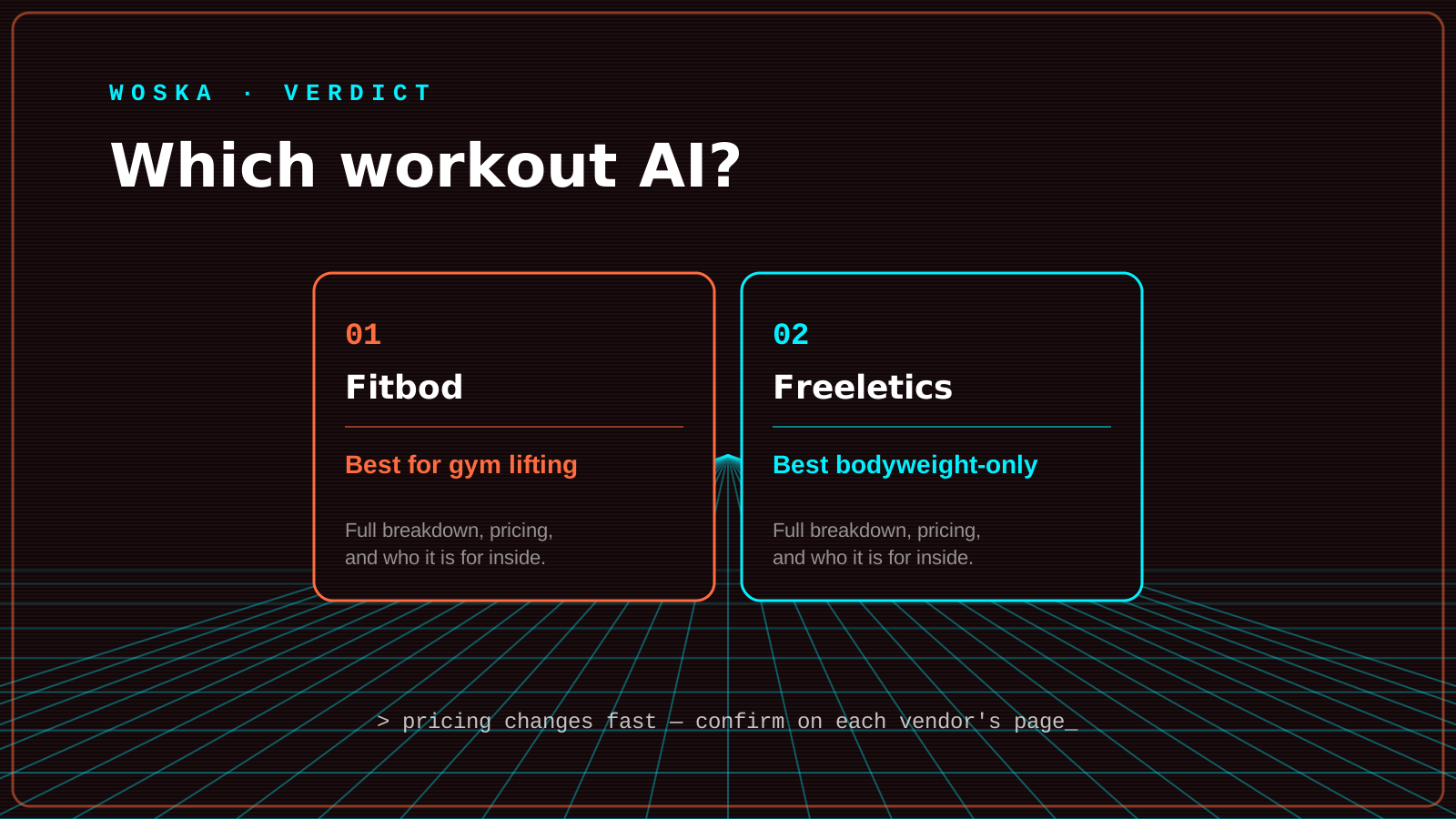
Fitbod is the best pick for gym-based strength training — its AI generates a fresh workout each session based on your training history, available equipment, and which muscles need recovery. Freeletics is the best pick for bodyweight training with zero equipment, using AI-adjusted plans built specifically for beginners who need real hand-holding. Both remove the "what do I actually do today" decision; the difference is what kind of training each one is actually built around.
The two, in one line each
Fitbod analyzes your logged training history, the equipment you tell it you have access to, and estimated muscle recovery status to generate a specific, set-by-set gym workout every time you open the app.
Freeletics builds bodyweight-only training plans that adapt week to week based on your feedback and completed sessions, with detailed form videos aimed at people learning the basics from scratch.
Where each one actually wins
Fitbod wins for anyone training in a gym with real equipment and a strength or hypertrophy goal — its muscle-recovery modeling and progressive overload logic are built specifically for that context, and it gets noticeably smarter about your specific recovery patterns the longer you log sessions. Freeletics wins for complete beginners or anyone training with no equipment at all, since its whole design philosophy is full guidance: form videos, real week-to-week adaptation, and a program that assumes you're starting from zero rather than already knowing your way around a barbell.
If you have gym access and some training background, Fitbod's per-session AI generation will feel more precisely tailored. If you're brand new to structured training or don't have equipment, Freeletics' guided, no-equipment approach removes more of the guesswork that causes beginners to quit.
Quick comparison
| Tool | Starting price | Core job | Best fit |
|---|---|---|---|
| Fitbod | $15.99/mo | Per-session gym workout generation | Gym access, strength/hypertrophy goals |
| Freeletics | $7.92/mo (free tier available) | Adaptive bodyweight coaching | No equipment, beginner-friendly guidance |
Which one should you use?
Choose Fitbod if you train in a gym and want each session's exercises, sets, and weights generated for you based on your actual recovery and history. Choose Freeletics if you're training with no equipment, are new to structured workouts, or want more guided coaching through form and pacing than a gym-focused app typically provides.
FAQ
Do I need to log every workout for Fitbod's AI to work well? Yes — Fitbod's recommendations get meaningfully better the more consistently you log sessions, since its recovery and progression modeling is built on your actual training history, not a generic template.
Is Freeletics only for absolute beginners? No, though it's particularly strong there — Freeletics also offers more advanced bodyweight and hybrid programming as you progress, but its onboarding and coaching style are what set it apart for people starting from scratch.
Can either app replace a personal trainer entirely? For programming and adaptive planning, largely yes for most recreational goals — neither replaces hands-on form correction from watching you lift in person, which matters most for complex barbell movements.
Which app is better if I have some equipment but not a full gym? Fitbod lets you specify exactly what equipment you have access to and builds around it, making it more flexible for partial home-gym setups than Freeletics, which is built around bodyweight-first training.
Do these apps track nutrition too, or just workouts? Both are workout-focused rather than nutrition trackers — pair either with a dedicated calorie tracker like Cal AI or MyFitnessPal if diet tracking is also part of your goal.
Related guides
- Best AI Calorie Tracking App in 2026
- Best AI Running Coach App in 2026
- Best AI Habit Tracking App in 2026
- Explore Productivity tools
*Ratings and pricing reviewed monthly. Last updated September 2026.*
Bogdex · Founder & editor, woska
Bogdex builds and curates woska, testing AI tools against real workflows to judge which ones actually save time rather than which have the longest feature list.