Habitica wins for anyone who responds better to a game than a checklist — real habits level up an RPG character, and its 2026 update added AI-generated quests to make the loop more immersive. Streaks wins for the cleanest, most focused experience on iOS specifically, with the best Apple Watch support of the three and a one-time purchase instead of a subscription. Way of Life wins for its AI insights, which analyze your patterns to predict when you're actually likely to break a streak, rather than just showing you one after it happens. All three solve the same basic problem — making a habit stick past the first excited week — through genuinely different psychological hooks: game mechanics, simplicity, or predictive self-awareness.
Where each one actually wins
Habitica turns your real daily habits, to-dos, and goals into an RPG: complete them and your character gains experience and gear; skip them and the character takes damage. Its 2026 update added AI-generated quests on top of the existing gamification, which keeps the loop feeling fresh for users who've been on the platform for years.
Streaks is deliberately simple — a clean, focused iOS app for tracking a handful of habits with excellent Apple Watch integration, sold as a one-time purchase rather than an ongoing subscription. If gamification or AI insights feel like unnecessary noise and you just want a reliable streak counter, this is the least complicated of the three.
Way of Life adds a genuinely useful AI layer on top of standard habit tracking: it analyzes your logged patterns and flags when you're statistically likely to break a streak soon, before it actually happens, rather than only showing you the damage afterward. It's mostly a one-time purchase as well, with a small premium tier for the deeper insights.
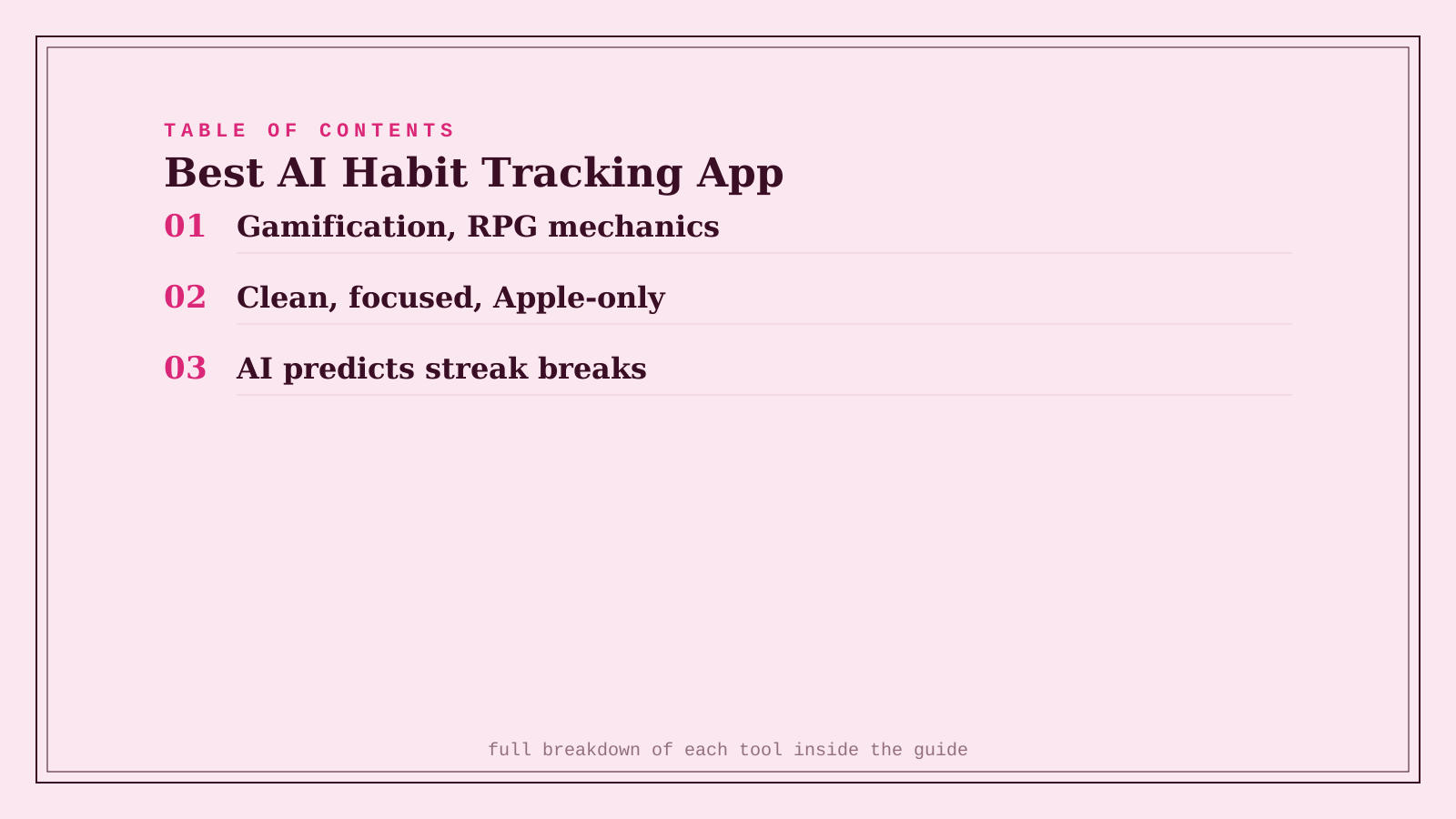
Quick comparison
| Tool | Core hook | Starting price | Best fit |
|---|---|---|---|
| Habitica | Gamification, RPG mechanics | Free; $4.17/mo for extras | Motivated by game-like progress and rewards |
| Streaks | Clean, focused, Apple-only | $5.99 one-time | Simplicity, no subscription, Apple Watch use |
| Way of Life | AI predicts streak breaks | ~$4.99 one-time/premium | Wanting a warning before a habit slips |
Which one should you actually use?
Start with Streaks if you're on iOS and want the simplest possible tracker without gamification or AI layered on top. Move to Habitica if a game-like structure with real stakes and rewards is what actually keeps you consistent. Use Way of Life if you specifically want an early warning before a streak breaks, not just a record after it does.
FAQ
Do habit-tracking apps actually work, or is the app itself the easy part people abandon? The app is only as good as the underlying habit design — small, specific, and easy-to-start habits succeed far more often regardless of which app tracks them. These tools help with consistency and awareness, not with picking the right habit in the first place.
Is gamification like Habitica's actually effective, or does it wear off? For some people it's genuinely sustaining for years; for others the novelty fades within weeks. It's worth trying free before committing, since this is one of the more personality-dependent choices among habit trackers.
Can these apps sync with Apple Health or other fitness trackers? Habitica includes Apple Health integration on its paid tier; Streaks, being iOS-native, integrates tightly with Apple's ecosystem including Health and Watch; Way of Life's integration is more limited, focused mainly on its own logging and insights.
Is it worth paying for the premium tier on any of these, or is free enough? Free tiers cover basic tracking well on all three — the paid tiers mainly add deeper insights (Way of Life), more habit slots and integrations (Habitica), or are simply the one-time cost of the app itself (Streaks), so the decision comes down to whether those specific extras matter to you.
Related guides
*Ratings and pricing reviewed monthly. Last updated September 2026.*
Bogdex · Founder & editor, woska
Bogdex builds and curates woska, testing AI tools against real workflows to judge which ones actually save time rather than which have the longest feature list.