A virtual influencer only works as a persona if the same face, body, and style show up in every post — not a different-looking person every time you generate a new image. Leonardo AI wins for that reusability: its Character Reference feature locks a face and physique across hundreds of generations, starting at $12/month. Midjourney wins for the single best-looking hero shot — the strongest raw aesthetic quality of any mainstream generator — at $10/month, though keeping a face consistent takes more prompt discipline with its `--cref` parameter. Most brands building a real virtual-influencer account end up needing both: one tool for the day-to-day consistent feed, one for the occasional standout image.
The two, in one line each
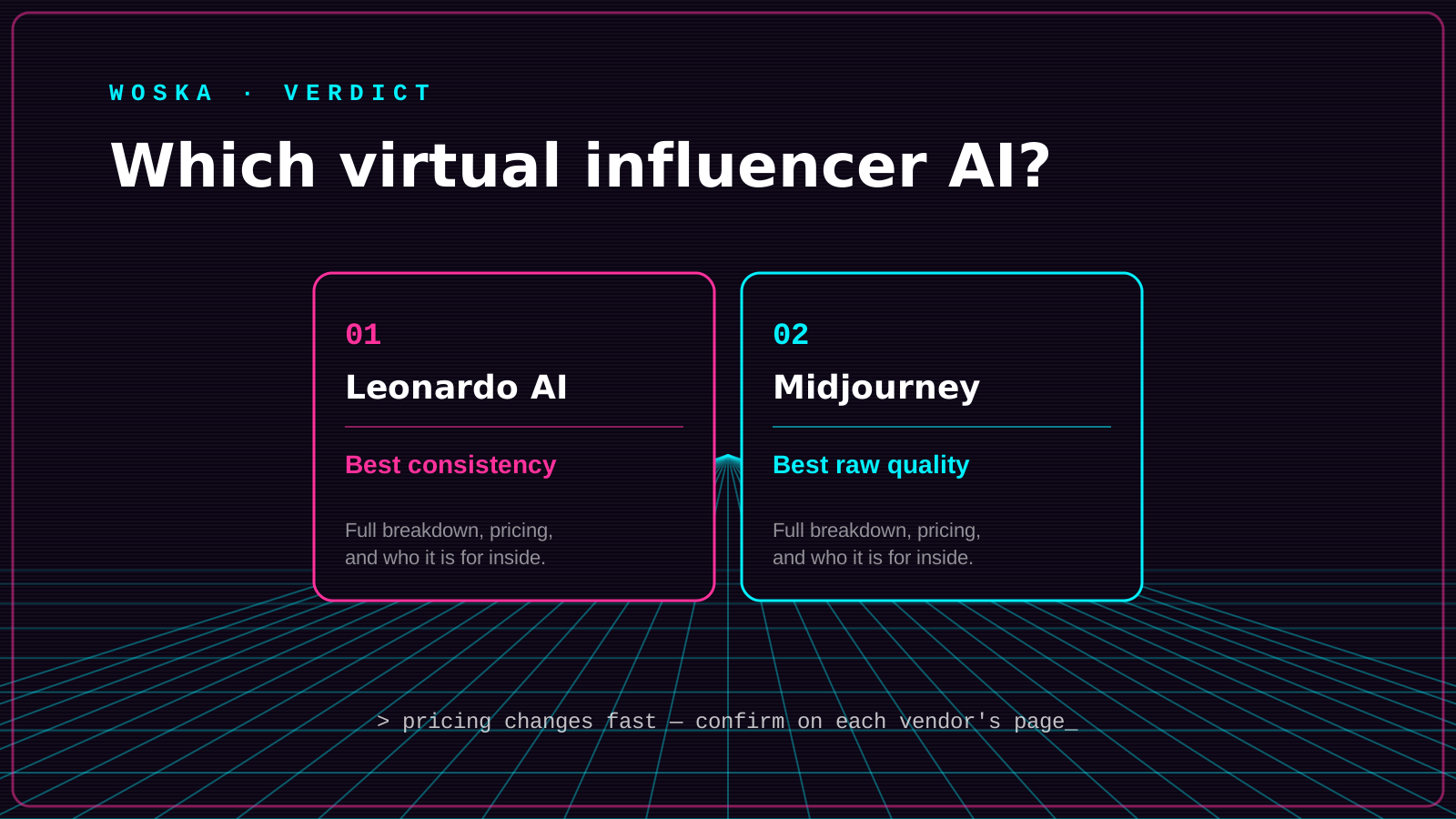
Leonardo AI is a token-based image generator built around fine-tuned models and a Character Reference tool specifically designed to keep a generated person's face and body consistent across many images, from $12/month.
Midjourney produces the most expressive, art-directed visuals of any mainstream generator and supports character consistency through its `--cref` (character reference) parameter, at $10/month.
Where each one actually wins
Leonardo AI wins for anyone actually running a virtual influencer account day to day — a brand or creator posting several times a week needs the SAME face showing up in a coffee shop, at the gym, and on a beach, and Character Reference is purpose-built for exactly that, with fine-tuned custom models available for an even tighter look. Midjourney wins on pure image quality for the shots that matter most — a profile picture, a launch post, a campaign hero image — where its lighting, texture, and composition consistently outclass other generators; the tradeoff is that keeping the same face across dozens of separate generations takes more careful prompt and seed management than Leonardo's dedicated tool.
Quick comparison
| Tool | Core strength | Starting price | Best fit |
|---|---|---|---|
| Leonardo AI | Reusable, consistent character | $12/mo | Ongoing virtual influencer accounts |
| Midjourney | Best raw image quality | $10/mo | Standout hero shots, campaigns |
Which one should you use?
Choose Leonardo AI if you're building an ongoing virtual influencer persona and need the same face and body to hold up across a real posting schedule. Choose Midjourney if you mainly need a handful of the best-looking images possible — a launch image, a portfolio piece — and consistency across dozens of posts isn't the immediate goal.
FAQ
Is it legal to run a fully AI-generated virtual influencer account? Yes, as a general matter — several AI-generated personas already run commercial Instagram accounts with brand deals. Most platforms require disclosure that the persona is AI-generated or virtual, so check the specific platform's synthetic-media policy before monetizing.
How do you keep the same face across every generated image? Leonardo AI's Character Reference tool and Midjourney's `--cref` parameter both let you feed in a reference image so new generations keep matching facial structure — Leonardo's tool is more purpose-built for this and generally needs less trial and error.
Can a virtual influencer actually make money? Yes — some AI-generated influencers already earn through brand endorsements, sponsored posts, and merchandise, with top accounts reportedly earning six figures monthly, though most earn far less and it takes real content strategy beyond just the generated images.
Do I need both tools, or is one enough? One is enough for most people starting out — Leonardo AI if consistency across many posts is the priority, Midjourney if a handful of striking images matters more than a large, uniform library.
Related guides
- Best AI Image Generators in 2026
- Best AI Headshot Generator in 2026
- AI Image Tools Guide 2026
- Explore Image & Design tools
*Ratings and pricing reviewed monthly. Last updated September 2026.*
Bogdex · Founder & editor, woska
Bogdex builds and curates woska, testing AI tools against real workflows to judge which ones actually save time rather than which have the longest feature list.