Loopio is the best pick for proposal teams that want the gold-standard combination of ease of use and support — it wins on both fronts among established RFP platforms, with its Response Intelligence engine embedding AI directly into the workflow where accuracy and governance matter most. Responsive is the best pick for enterprise organizations running large volumes of structured proposals across big teams, with more mature project controls at scale. Both replace hunting through old proposals for the right answer with an AI-matched content library.
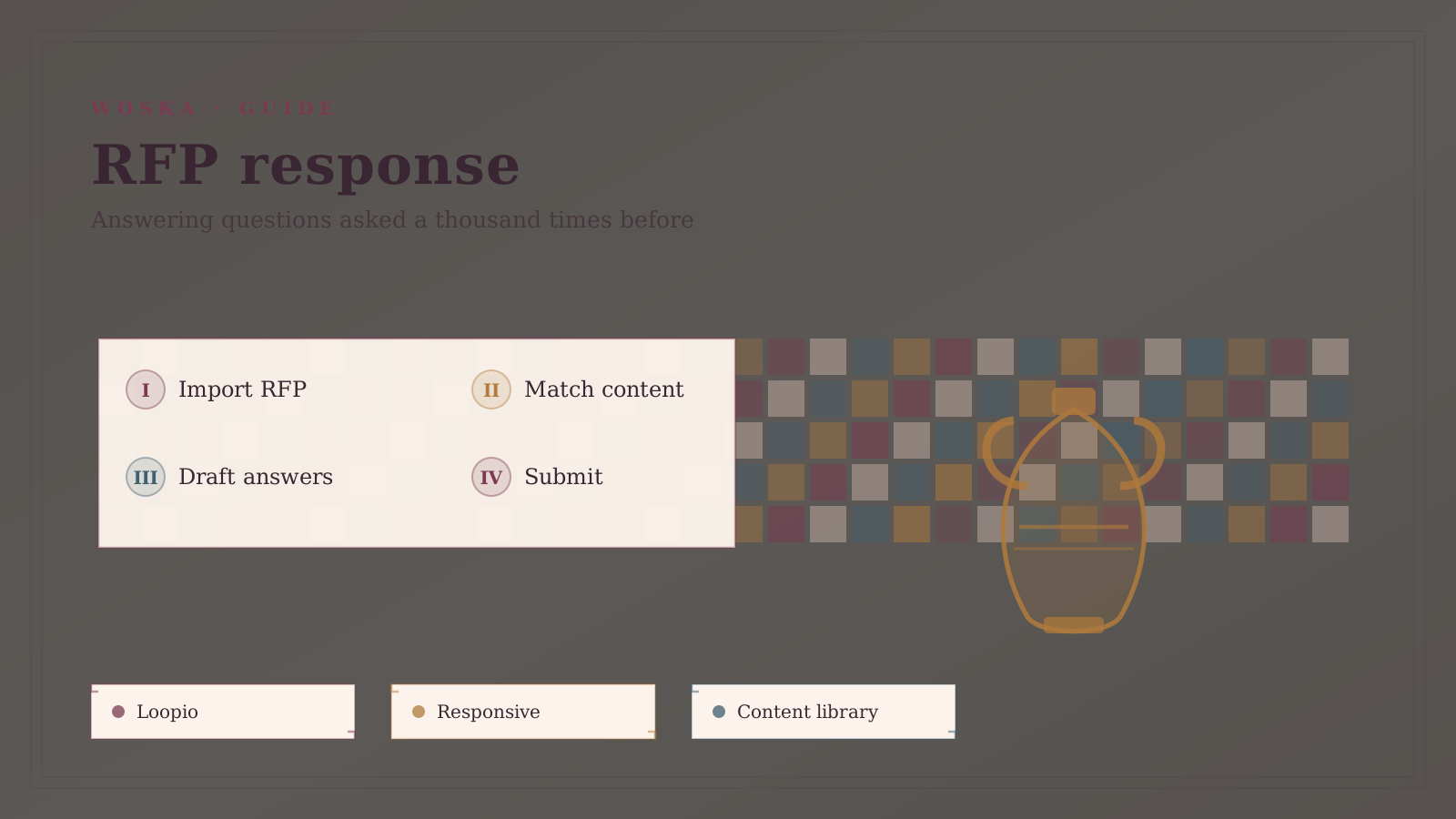
The two, in one line each
Loopio has been the gold standard for proposal teams with large, well-established content libraries, using its proprietary Response Intelligence machine learning to surface the right answer from your existing content automatically.
Responsive (formerly RFPIO) is built for enterprise-grade workflows with GenAI drafting capabilities and mature project controls across a large volume of structured, multi-stakeholder proposal projects.
Where each one actually wins
Loopio wins on day-to-day usability and support quality — it's mature, well-governed, and built specifically for teams where proposal management is a dedicated function rather than an occasional task, which matters most when non-specialist contributors need to use it too. Responsive wins at genuine enterprise scale, where formal project controls, content operations discipline, and large-team collaboration across many simultaneous proposals are the real requirement — its GenAI capabilities are built around that heavier operational load.
If your proposal team is establishing or refining a dedicated function and wants the smoothest day-to-day experience, Loopio's ease-of-use edge matters more. If you're running RFP response at large enterprise scale with many stakeholders and projects in flight simultaneously, Responsive's heavier-duty project controls are built for that specific load.
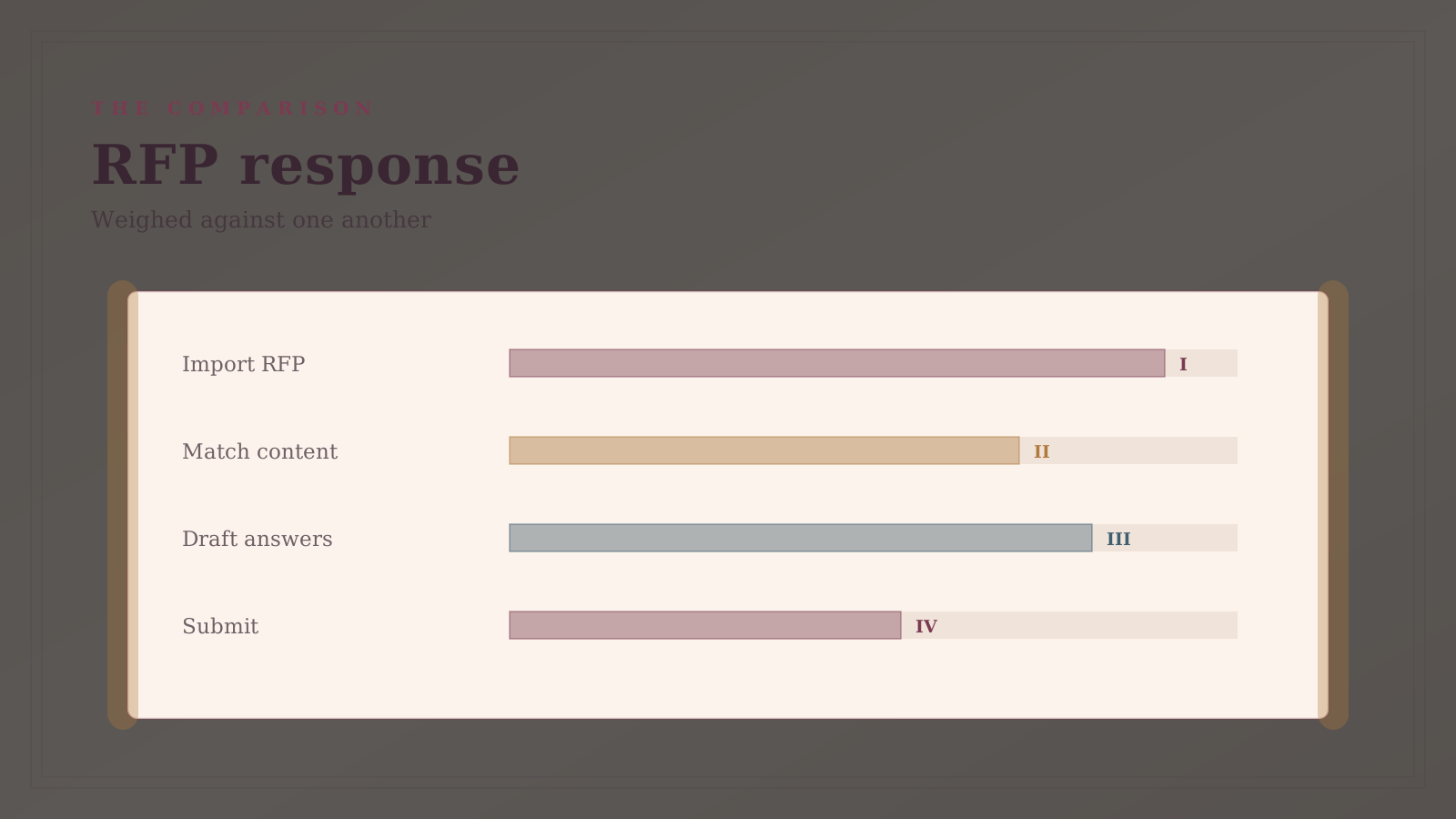
Quick comparison
| Tool | Starting price | Core job | Best fit |
|---|---|---|---|
| Loopio | Custom pricing | AI-matched content library for RFP responses | Dedicated proposal teams wanting ease of use |
| Responsive | Custom pricing | Enterprise GenAI drafting + project controls | Large-scale, multi-stakeholder proposal operations |
Which one should you use?
Choose Loopio if you want the smoothest day-to-day experience and strongest support for a team building out a dedicated proposal function. Choose Responsive if you're operating at enterprise scale with many concurrent proposals and need heavier project governance across a larger team.
FAQ
Do these tools write RFP answers entirely on their own? No — both use AI to surface or draft a strong first answer from your existing content library, but a human still needs to review, verify, and often customize each response before submission, especially for anything involving specific commitments or pricing.
Does either tool solve the problem of keeping a content library up to date? Not fully — content library maintenance remains a real ongoing burden with either platform, and neither eliminates the need for someone on your team to periodically review and refresh source answers as products, pricing, or policies change.
Can smaller teams use these tools, or are they enterprise-only? Both scale down to smaller proposal teams reasonably well, though the fuller value (large content libraries, complex multi-stakeholder workflows) shows up more at higher RFP volume.
How long does it take to build a usable content library from scratch? Expect an initial setup period of several weeks to populate and organize a content library well enough for the AI matching to return consistently strong first drafts — the tools speed up ongoing response work more than the initial setup.
Is win rate actually higher with AI-assisted RFP tools? Faster, more consistent responses can support a higher win rate indirectly by freeing time for more customization and strategy per proposal, but neither tool guarantees a win-rate improvement on its own — response quality and strategy still matter most.
Related guides
- What to Include on an Invoice So You Actually Get Paid on Time
- Best AI Grant Proposal Writing Tool in 2026
- Best AI Tool for Turning Legal Research into a Client-Ready Memo in 2026
- Explore Business & Sales tools
*Ratings and pricing reviewed monthly. Last updated September 2026.*
Bogdex · Founder & editor, woska
Bogdex builds and curates woska, testing AI tools against real workflows to judge which ones actually save time rather than which have the longest feature list.