Mem.ai wins for auto-organizing notes with the least manual filing, Reflect wins for a privacy-first daily-notes habit that doesn't try to be a team wiki, and Tana wins for a structured knowledge graph power users can query almost like a database. The split in AI notes tools in 2026 comes down to a real philosophical difference: let the AI organize for you, keep a simple private habit, or build a structured graph and get out what you put in.
If you need this for a whole team's shared knowledge rather than a personal system, Notion AI is the more common starting point.
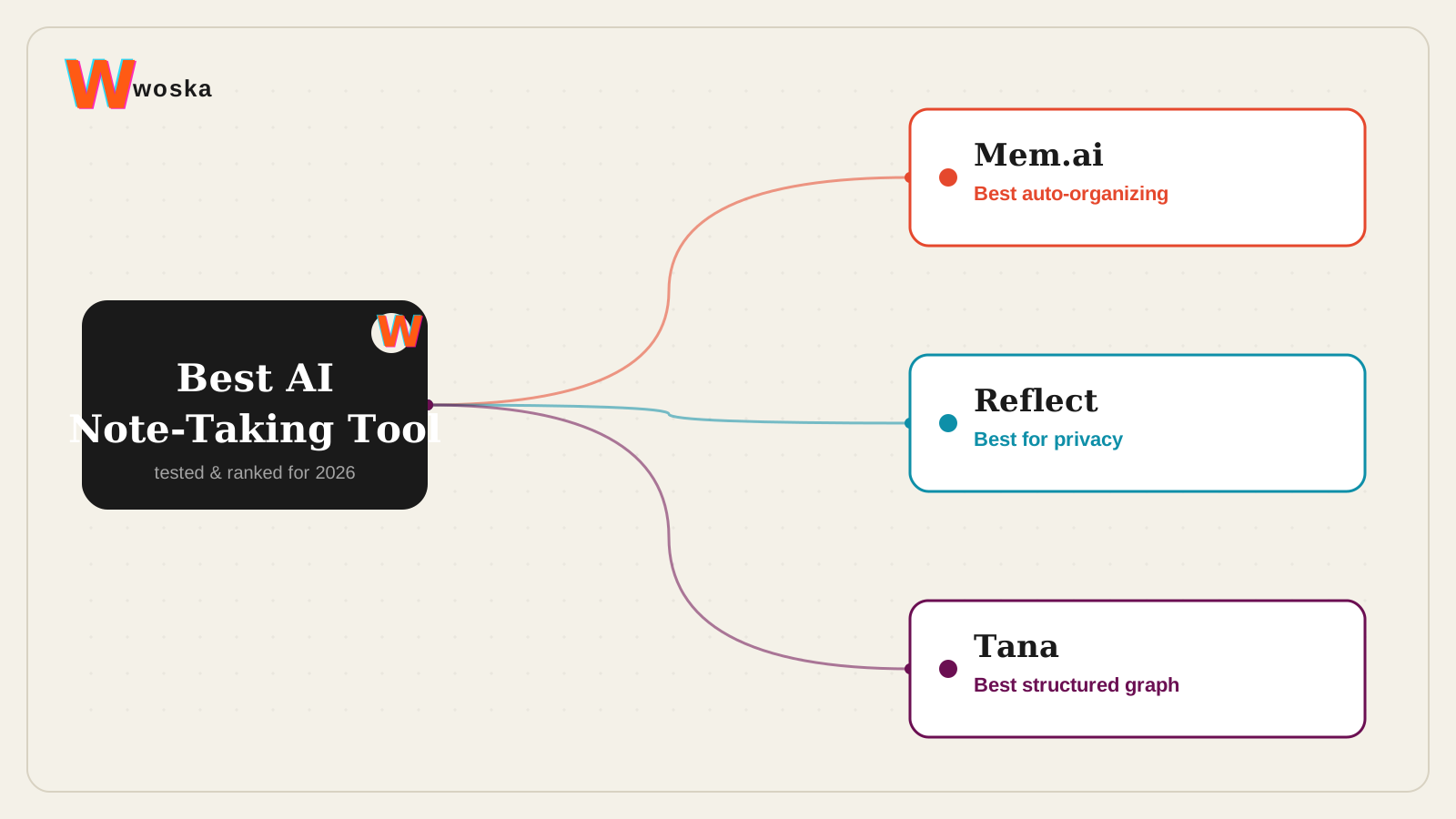
The three, in one line each
Mem.ai resurfaces relevant notes automatically based on what you're working on, so useful context reappears without manual folders or tags doing the work.
Reflect is built around a daily-notes habit with AI-assisted linking and search, deliberately staying a personal knowledge base rather than growing into a team collaboration tool.
Tana treats notes as structured data: AI-generated supertags and a database-like graph let you query your own notes the way you'd query a spreadsheet, not just search them.
Where each one actually wins
Mem.ai rewards people who take a lot of notes but hate organizing them — the AI's job is to make manual filing unnecessary. Reflect rewards a consistent, private, low-friction daily-notes habit where linking ideas over time matters more than any collaborative feature. Tana rewards people willing to invest structure up front — tags, fields, supertags — in exchange for being able to ask precise, database-style questions of their own notes later.
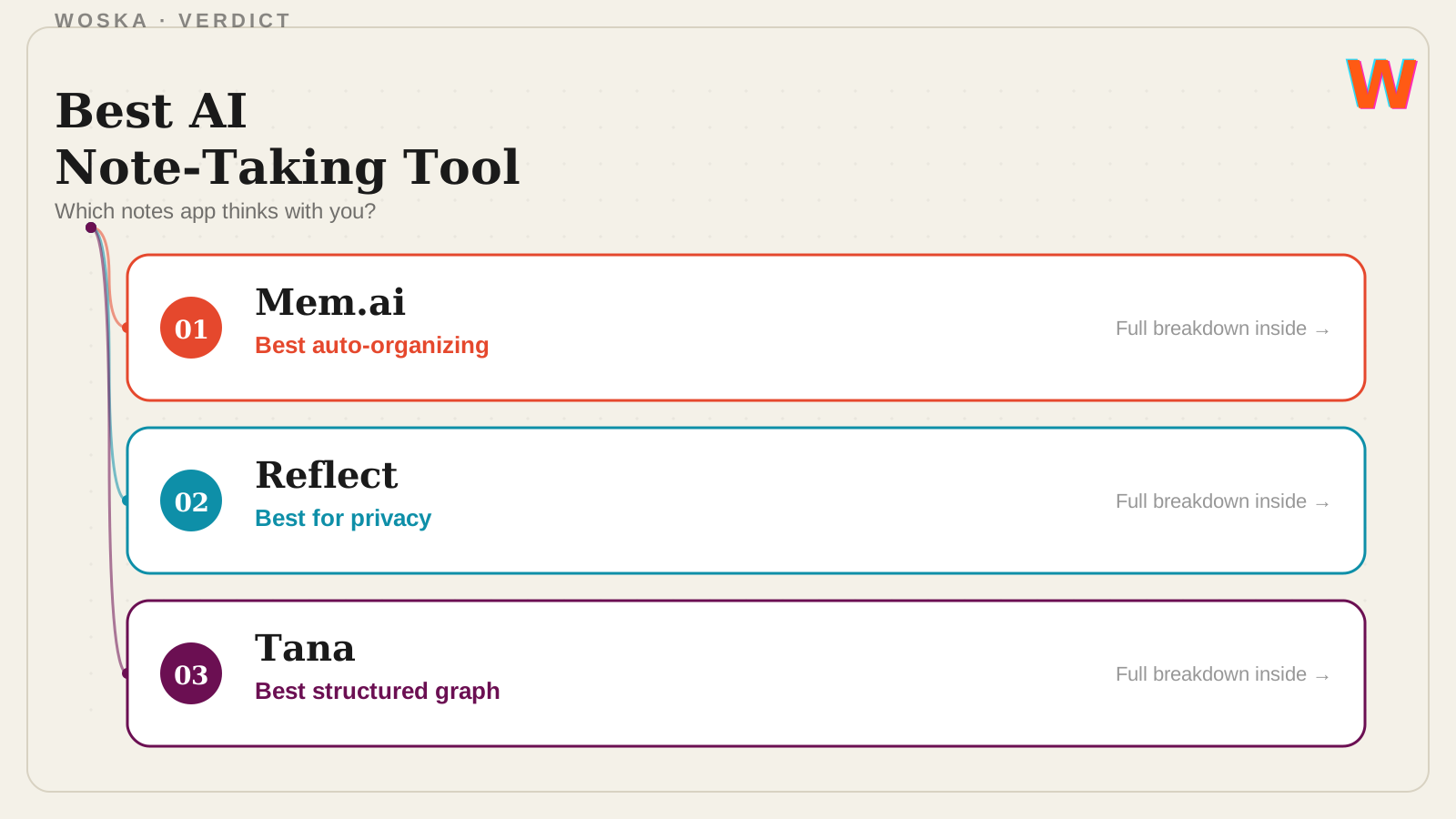
Quick comparison
| Tool | Starting price | Core job | Best fit |
|---|---|---|---|
| Mem.ai | Free tier, from $14/mo | AI-organized personal notes | Hating manual filing and folders |
| Reflect | From $10/mo | private daily-notes habit | A consistent, personal writing habit |
| Tana | Free tier, from $10/mo | structured knowledge graph | Power users who want to query their notes |
Which one should you use?
Use Mem.ai if you want to keep writing notes the way you always have and let AI handle the organizing. Use Reflect if a private, consistent daily-notes practice is the goal and you don't need team features. Use Tana if you're willing to structure your notes up front so you can query them precisely later — the payoff is real, but only if you keep up the habit of tagging as you go.
FAQ
Do I need to learn a whole new system to use any of these? Mem.ai and Reflect are both close to a normal notes app with AI layered on, so the learning curve is shallow. Tana asks more of you up front — supertags and fields take some setup — in exchange for more powerful querying later.
Which is best for someone switching from Notion? Mem.ai is the closest in spirit if the appeal of Notion was flexibility but the org structure became a burden; Tana if you actually liked databases in Notion and want more power, not less structure.
Is my data private in these tools? Reflect markets itself specifically around privacy and local-first storage; Mem.ai and Tana are both cloud-based like most modern notes apps, so check each vendor's current data policy if that's a hard requirement.
Can any of these replace a full team wiki? Not well — all three are built primarily for personal knowledge management. For team documentation, Notion AI remains the more common choice.
Related guides
- Part of our complete guide: AI Productivity & Personal Tools
- Best Notion AI Alternatives in 2026
- Best AI Tool for Meeting Transcription
- Best AI Browser Agent in 2026
- Explore Productivity tools
*Ratings and pricing reviewed monthly. Last updated August 2026.*
Bogdex · Founder & editor, woska
Bogdex builds and curates woska, testing AI tools against real workflows to judge which ones actually save time rather than which have the longest feature list.