Midjourney wins for the most artistically distinctive, opinionated results — genuinely original imagery rather than something that reads as a template, at the cost of needing more prompting skill and a subscription. CoverArtGenerator.ai wins if you just need one or a few covers with a clean commercial license and no ongoing subscription, since it's built specifically for per-cover pricing on exactly this job. Kittl wins when you want a vintage-inspired, type-driven design you can customize yourself — layout, fonts, colors — rather than a purely AI-generated image. A great album cover usually needs typography, not just striking imagery, which is where these three genuinely diverge: one is pure image generation, one is a purpose-built cover tool, and one is a full design editor with AI layered in.
Where each one actually wins
Midjourney produces the most visually striking, original artwork of the three, since it isn't constrained to cover-specific templates or presets. The tradeoff is that it generates an image, not a finished cover — you'll typically need to add your artist name and title in a separate design step afterward.
CoverArtGenerator.ai is built specifically for this one job, with per-cover pricing and a full commercial license rather than a monthly subscription you'd otherwise pay for indefinitely. It's the practical choice for an artist or label releasing a handful of singles or an album who doesn't want an ongoing design tool subscription.
Kittl gives you a genuine design editor with a strong vintage-inspired template library and AI features layered on top, so you can build a cover with real typography and layout control rather than relying entirely on a generated image. It's the right pick if the cover's type treatment matters as much as the imagery.
Quick comparison
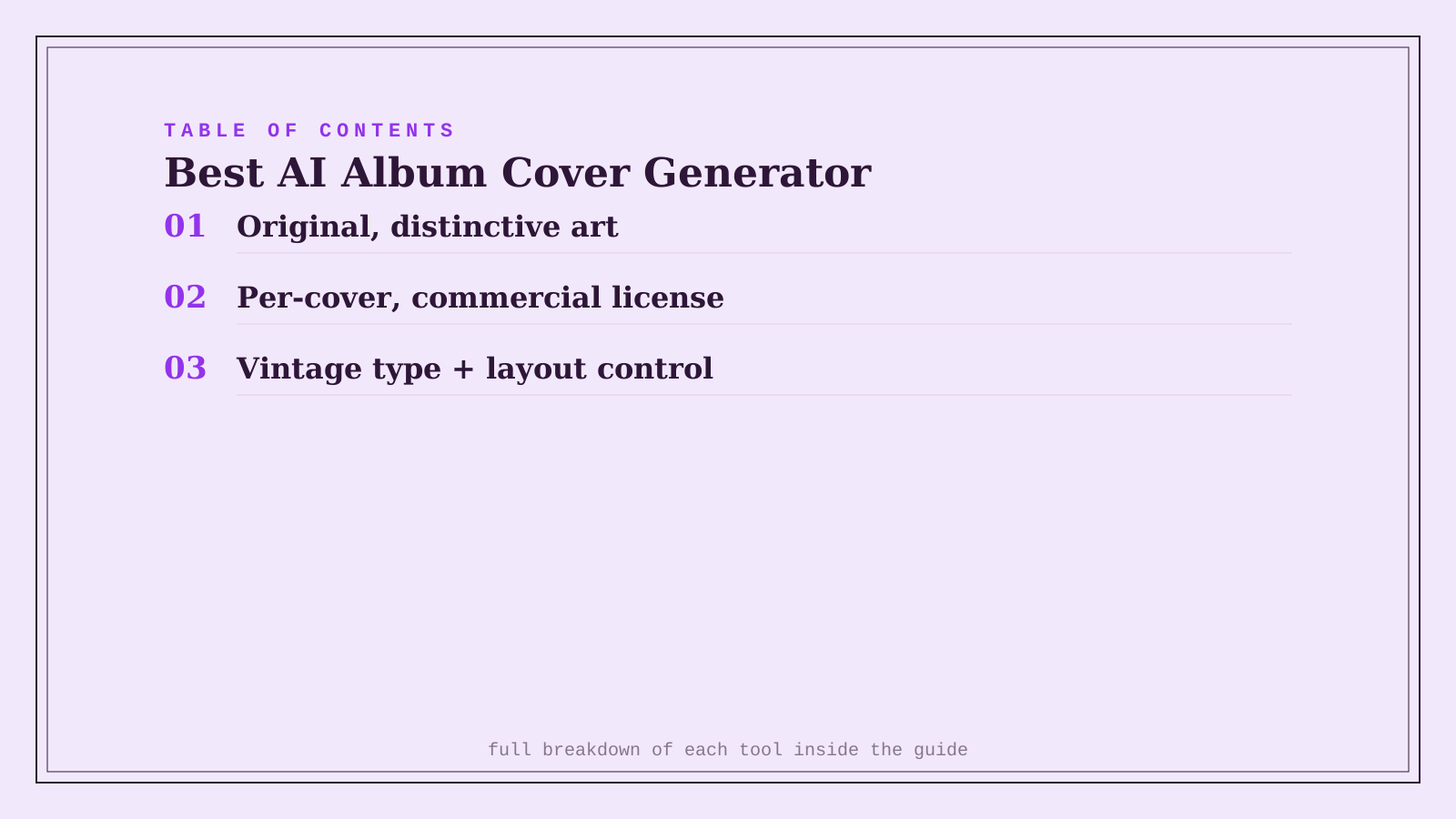
| Tool | Core job | Starting price | Best fit |
|---|---|---|---|
| Midjourney | Original, artistically striking imagery | $10/mo | Distinctive art, willing to add type separately |
| CoverArtGenerator.ai | Purpose-built covers, commercial license | Per-cover, no subscription | A few covers, no ongoing subscription wanted |
| Kittl | Full design editor with type and layout | $15/mo | The cover's typography and layout matter as much as the art |
Which one should you actually use?
Start with CoverArtGenerator.ai if you need one or a few finished, commercially licensed covers without committing to a subscription. Use Midjourney if the cover's art needs to be genuinely distinctive and you're comfortable adding title and artist text in a separate step. Move to Kittl when the cover's typography and overall layout are as important as the imagery itself.
FAQ
Do streaming platforms like Spotify have specific requirements for AI-generated cover art? Most platforms require a minimum resolution (typically 3000x3000px) and don't currently prohibit AI-generated art specifically, but always check your distributor's current content policy, since platform rules around AI content continue to evolve.
Can I use a Midjourney-generated image commercially for an album release? Yes, on a paid Midjourney plan you generally hold commercial rights to what you generate, but confirm the specific terms on your plan before using it for a commercial release, and be aware that purely AI-generated images may face registration limits if you try to copyright the cover itself.
Is it obvious to fans when an album cover is AI-generated? Increasingly less so for a well-composed, intentional design — the tell is usually a generic or incoherent composition rather than the fact that AI was involved at all. A cover built with real creative direction, whichever tool produced it, reads as intentional either way.
Which tool is cheapest for a single-song release rather than a full album? CoverArtGenerator.ai's per-cover pricing is the most direct fit for a single release, since you're not paying for a monthly subscription you'll only use once.
Related guides
*Ratings and pricing reviewed monthly. Last updated September 2026.*
Bogdex · Founder & editor, woska
Bogdex builds and curates woska, testing AI tools against real workflows to judge which ones actually save time rather than which have the longest feature list.