The best tools for marketing teams in 2026 are Semrush, Surfer SEO, Taplio. They are not interchangeable: each one solves a different part of the workflow, so the right choice depends on the job you need finished first.
This guide treats the tools as a shortlist, not a ranking where one product replaces all the others. If you are choosing quickly, decide whether your pain is creation, editing, automation, research, or delivery, then test the matching tool with one real task.
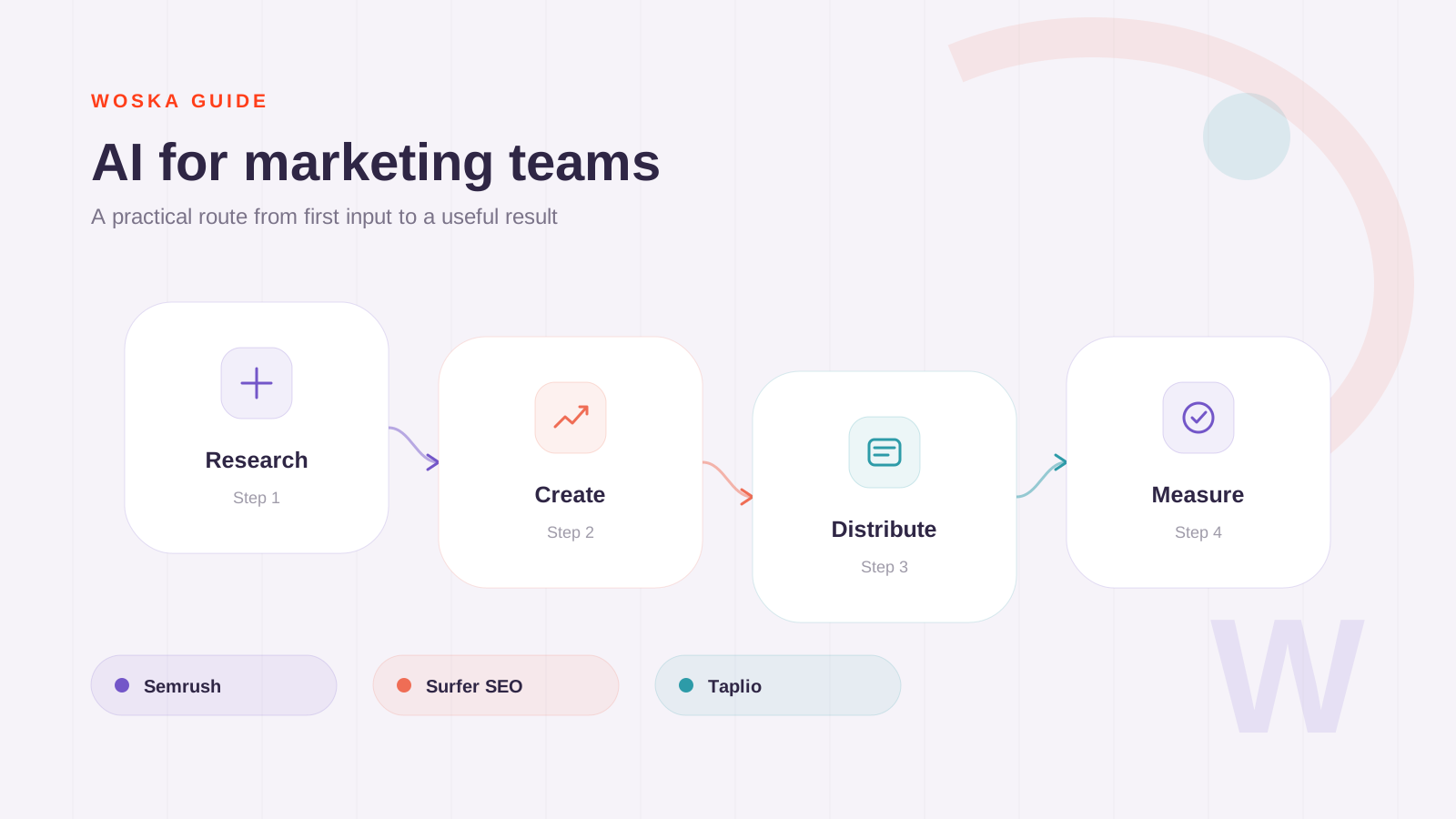
The shortlist
Semrush
Semrush is the broadest marketing command center in this shortlist. It helps teams research keywords, watch competitors, audit sites, and understand where content work should go next.
Surfer SEO
Surfer SEO is the writing-focused pick. It helps turn SEO research into page structure, topic coverage, and content briefs that writers can actually execute.
Taplio
Taplio is the distribution-side tool for LinkedIn. It is useful when marketing output depends on founder content, audience building, and repeated social posting rather than only website traffic.
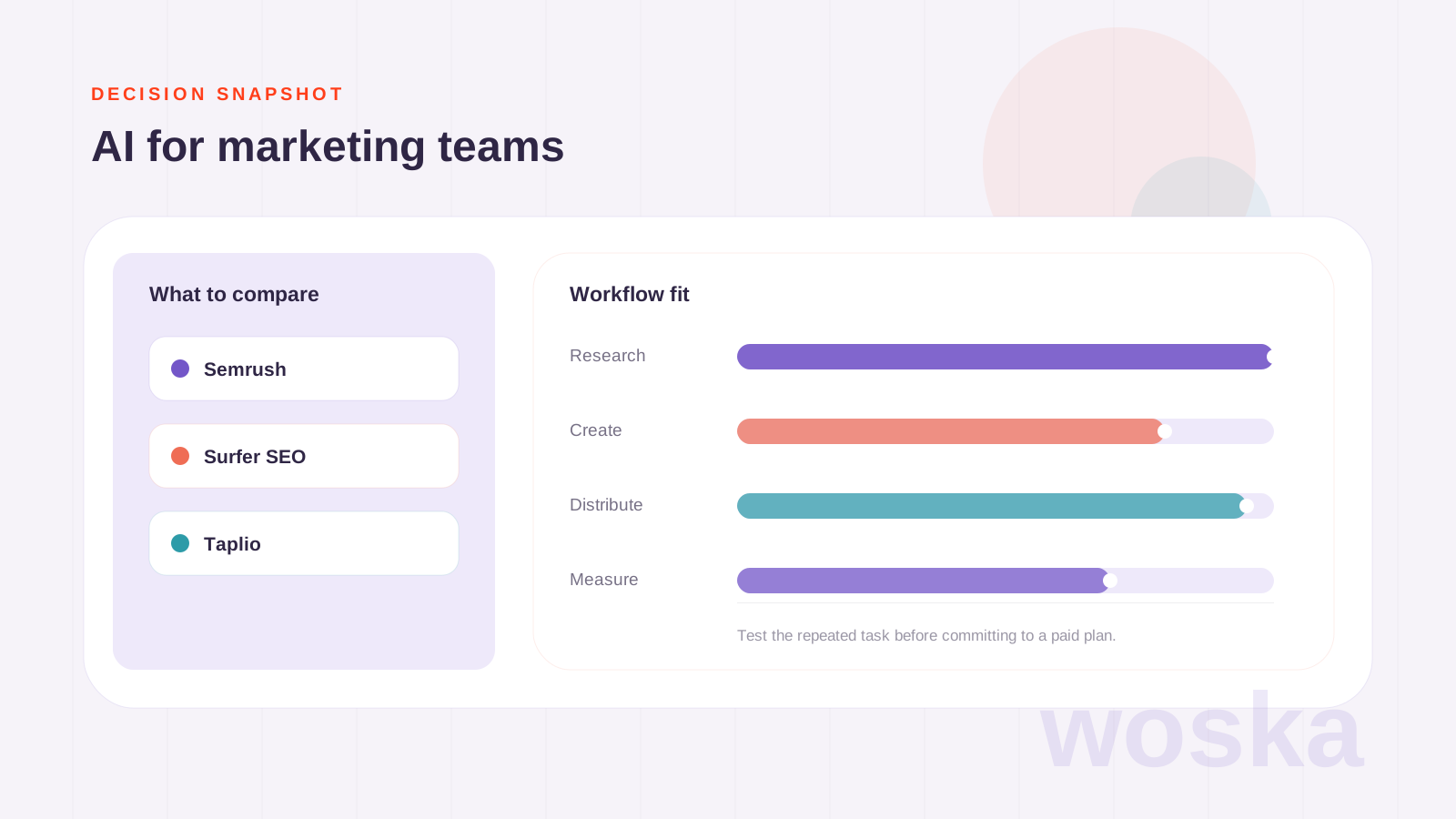
Quick comparison
| Tool | Starting price | Core job | Best fit |
|---|---|---|---|
| Semrush | From $139/mo | SEO research | SEO research and reporting |
| Surfer SEO | From $89/mo | SEO content optimization | Content briefs and optimization |
| Taplio | From $49/mo | LinkedIn content | LinkedIn content workflows |
Which one should you use?
Use Semrush to decide what to target, Surfer SEO to create pages with ranking intent, and Taplio when LinkedIn is part of the acquisition channel.
The safest approach is to avoid testing every tool at once. Pick the one that matches today's workflow, run one realistic task, then add a second tool only if the first one fails on a clear requirement.
FAQ
Do I need all 3 tools? No. Most people should start with one. The value of this list is knowing which tool to test for each workflow, not building a bloated stack.
Are free plans enough for serious work? Sometimes. Free plans are good for testing output quality, but paid plans usually matter when you need exports, higher limits, team access, or commercial usage.
How should I compare results fairly? Use the same input, the same deadline, and the same success criteria. The winner is the tool that needs the least manual fixing after the first useful output.
Related guides
*Ratings and pricing reviewed monthly. Last updated June 2026.*
Bogdex · Founder & editor, woska
Bogdex builds and curates woska, testing AI tools against real workflows to judge which ones actually save time rather than which have the longest feature list.