VidIQ is the best pick for figuring out what to make before you film — AI-powered trend detection, competitor tracking, and content ideation that answers what's actually worth creating next. TubeBuddy is the best pick for optimizing what you've already published — A/B testing for thumbnails and titles, plus bulk tools that update cards, end screens, and descriptions across hundreds of videos at once. Both replace guessing at keywords and thumbnails with actual data on what's working in your niche right now.
The two, in one line each
VidIQ is a YouTube growth tool using AI for content ideation, trend detection, and competitive intelligence, strongest for channels past 50K subscribers.
TubeBuddy is a YouTube growth tool focused on SEO workflow, AI-assisted thumbnail A/B testing, and bulk channel management across hundreds of videos.
Where each one actually wins
VidIQ wins on the pre-publish side of the job — its AI Daily Ideas and trend alerts are built to answer "what should I make next," which matters most for channels still figuring out their content strategy or tracking what competitors are doing. TubeBuddy wins on the post-publish side — real A/B testing for thumbnails and titles against actual click-through and watch-time data, plus bulk editing tools that save real time once a channel has a large back catalog to maintain.
If your biggest challenge is deciding what to create next and staying ahead of trends in your niche, VidIQ's research and ideation tools are the more direct fit. If you've already got video published and want to systematically test and improve what's getting clicks, TubeBuddy's A/B testing and bulk tools solve that problem more directly.
Quick comparison
| Tool | Starting price | Core job | Best fit |
|---|---|---|---|
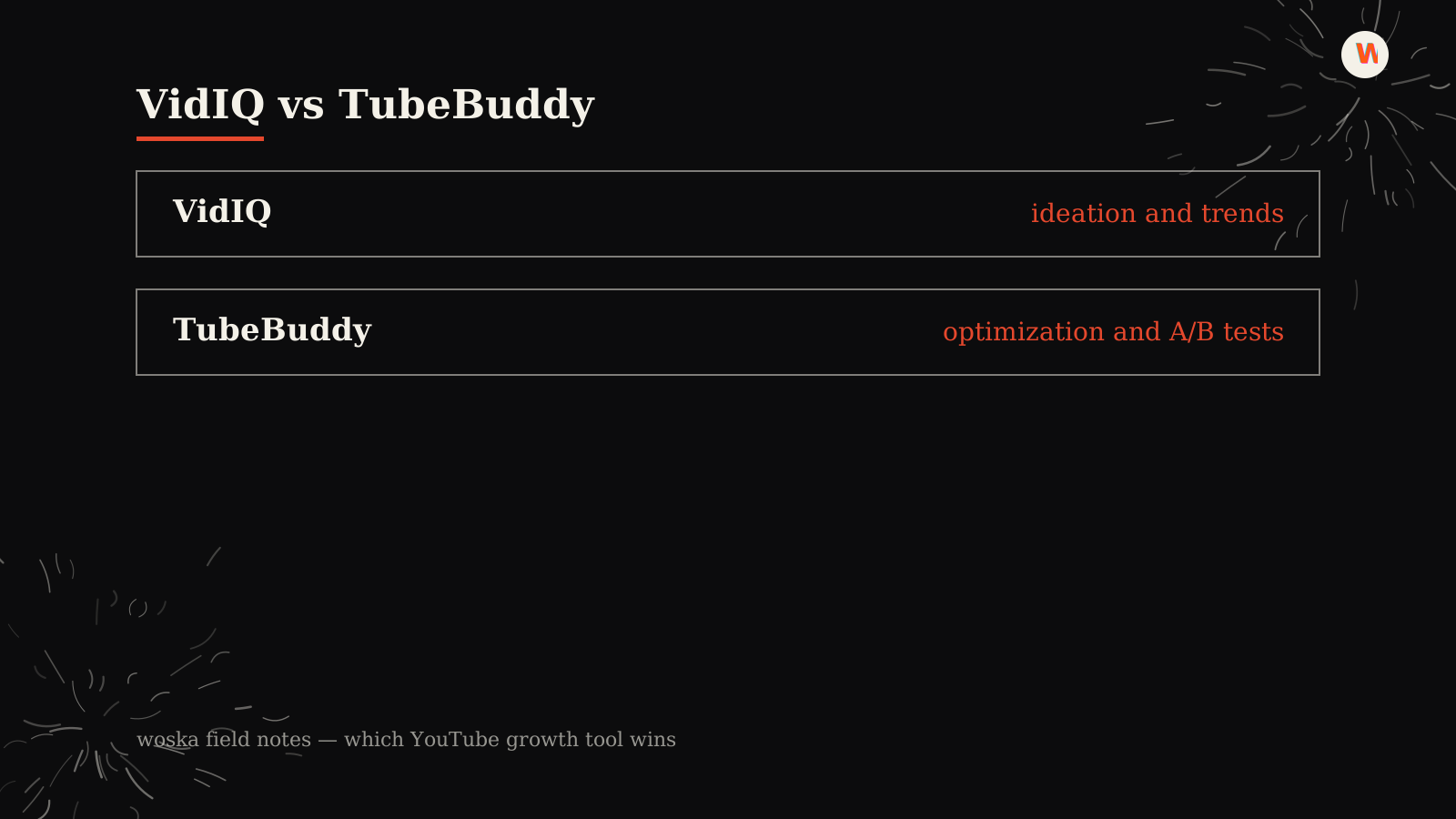
| VidIQ | Free, paid from $39/mo | AI ideation, trend detection, competitor tracking | Channels researching what to make next |
| TubeBuddy | Free, paid from $9/mo | A/B testing + bulk channel optimization | Channels optimizing an existing catalog |
Which one should you use?
Choose VidIQ if you need help figuring out what content is actually worth making next. Choose TubeBuddy if you already have video published and want to systematically test and bulk-optimize it.
FAQ
Can I use VidIQ and TubeBuddy together, or do they conflict as browser extensions? Many creators run both simultaneously without issue, since they surface different data inside YouTube Studio — though running two extensions does mean paying for two subscriptions if you want each tool's paid features.
Does TubeBuddy's A/B testing actually require a lot of extra work to set up? No — it runs within your existing YouTube Studio workflow, automatically rotating thumbnail or title variants to a portion of your traffic and reporting which version performs better, without manual tracking on your end.
Is VidIQ worth it for a brand-new channel with very few subscribers? VidIQ's free tier gives new channels useful keyword and trend data, but its deeper analytics and AI features show the most value once a channel has enough view volume to generate meaningful trend and competitor comparisons.
How accurate is AI-driven keyword research for YouTube compared to just checking search suggestions? Independent testing has found both tools' keyword scores correlate with actual first-page ranking only moderately better than chance, so treat their suggestions as a starting point for ideas rather than a guarantee of ranking.
Do these tools work for YouTube Shorts, or just long-form video? Both platforms have extended their keyword research, trend tracking, and optimization tools to cover Shorts, though the depth of Shorts-specific features varies and is worth checking against your channel's actual content mix.
Related guides
- Best AI YouTube Thumbnail Generator in 2026
- Subscribr vs ChatGPT vs Jasper for YouTube Scripts in 2026
- Best AI Tool to Repurpose Long Video into Shorts in 2026
- Explore Marketing tools
*Ratings and pricing reviewed monthly. Last updated October 2026.*
Bogdex · Founder & editor, woska
Bogdex builds and curates woska, testing AI tools against real workflows to judge which ones actually save time rather than which have the longest feature list.