ElevenLabs is the strongest pick when the voice itself has to carry the ad — realism and emotional range are what its model is built for. Murf.ai is the better fit when the voiceover needs to sync precisely to an existing video timeline, since its editor is built around visuals, not just audio. Speechify is the value pick at scale — its Simba 3.2 model ranked above ElevenLabs and OpenAI on an independent text-to-speech benchmark in mid-2026, and its developer API pricing undercuts most competitors for high-volume ad production. All three can produce a usable ad voiceover from text in minutes; the differences show up once you're producing dozens of variations a week rather than one.
Where each one actually wins
ElevenLabs produces the most natural-sounding voice by most direct comparisons, with fine control over emotion, pacing, and delivery style. For a hero ad where the voiceover is doing real persuasive work — not just narrating over B-roll — that realism is worth paying for.
Murf.ai builds the voiceover inside a timeline editor rather than as a standalone audio file, so it syncs to your video, adjusts pacing to match cuts, and exports a finished clip rather than a track you then have to align yourself. That workflow difference matters more than raw voice quality once you're producing video ads regularly, not just audio.
Speechify is the cost play. Its Simba model benchmarked above ElevenLabs, OpenAI, and Google DeepMind on the Artificial Analysis TTS leaderboard in July 2026, and its API pricing is meaningfully cheaper per character than most competitors — the pick when you're generating voiceover variations at genuine volume and the per-unit cost adds up fast.
Quick comparison
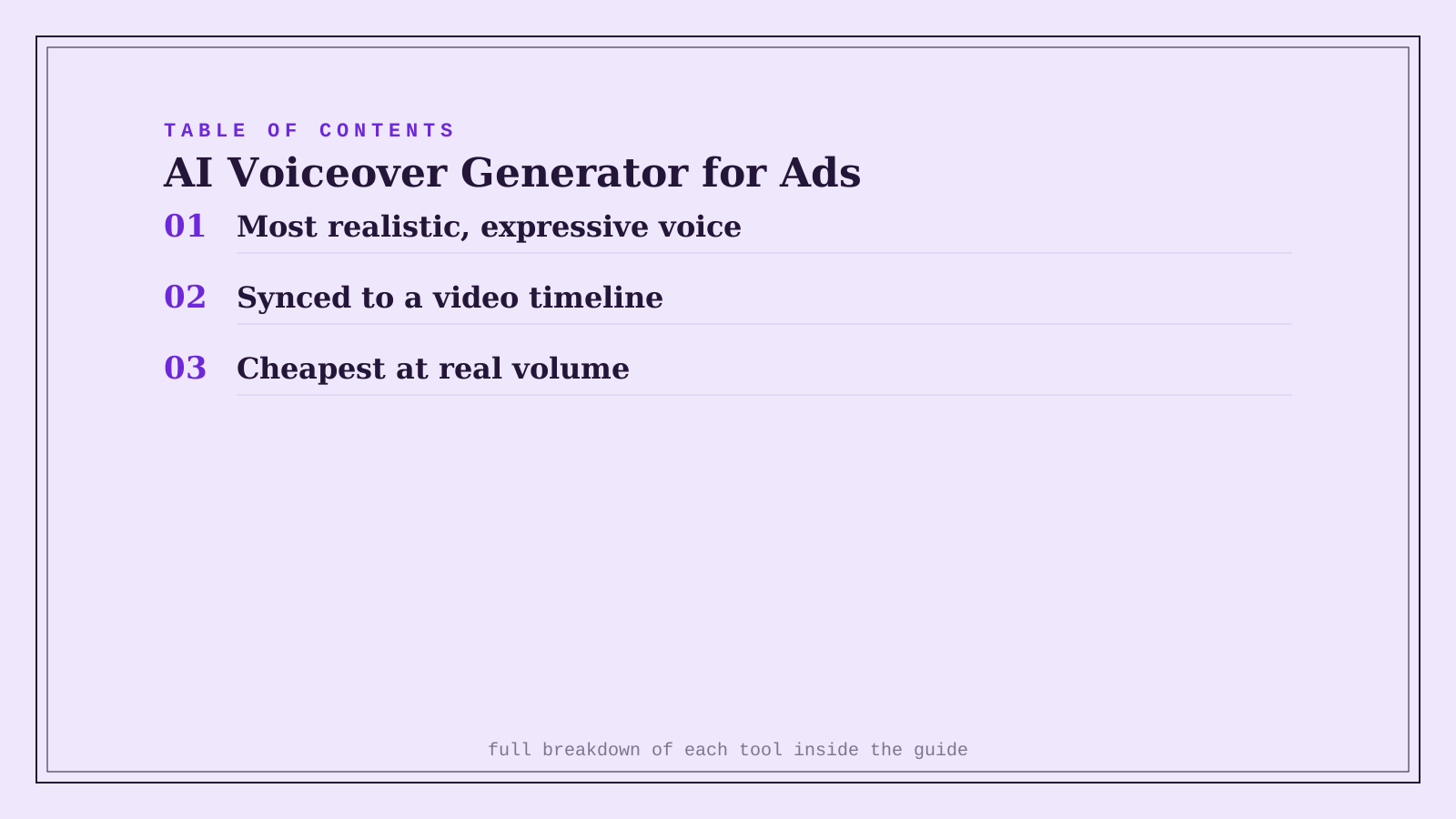
| Tool | Core job | Starting price | Best fit |
|---|---|---|---|
| ElevenLabs | Most realistic, emotionally controllable voice | From $5/mo | The hero ad where voice quality is the differentiator |
| Murf.ai | Voiceover synced to a video timeline | From $19/mo | Producing finished video ads, not just audio |
| Speechify | Cheapest at real volume, top TTS benchmark score | From $29/mo, cheaper via API | High-volume ad variation testing |
Which one should you actually use?
Start with ElevenLabs for any ad where the voice is the main creative lever — a founder-style pitch, an emotional brand story, anything where a flat or robotic delivery would sink the ad. Move to Murf.ai once you're producing finished video ads regularly and the manual sync-to-timeline step is eating real time. Reach for Speechify when you're generating voiceover for many ad variations at once and cost per generation genuinely matters at your volume.
FAQ
Can these voiceovers pass as human in a real ad? Often yes for short-form ad copy, especially with ElevenLabs' more expressive settings — the tell is usually pacing on emotionally complex lines, which is exactly where manual adjustment in the tool's controls helps most.
Do I need commercial usage rights for ad voiceovers specifically? Yes — check that your specific plan includes commercial rights before running any AI voiceover in a paid ad, since some free or entry tiers restrict use to personal or non-commercial projects.
Is Speechify's TTS quality really better than ElevenLabs now? On the specific July 2026 Artificial Analysis benchmark, yes, Speechify's Simba model scored higher — but benchmark rankings shift as models update, and ElevenLabs still has the deeper emotional-control toolset for ads that need more than clean, accurate speech.
Which tool is best for a voiceover in a language other than English? All three support multiple languages, but ElevenLabs' multilingual voice quality is generally considered the strongest for non-English ad delivery specifically — verify a sample in your target language before committing to a campaign.
Related guides
- Best AI UGC Ad Creative Generator in 2026
- Best AI Testimonial Video Ad Generator in 2026
- ElevenLabs vs Murf.ai for Voice Cloning
- Explore Marketing tools
*Ratings and pricing reviewed monthly. Last updated September 2026.*
Bogdex · Founder & editor, woska
Bogdex builds and curates woska, testing AI tools against real workflows to judge which ones actually save time rather than which have the longest feature list.