Elicit is the best first AI tool for academic research in 2026 because it is designed around finding papers, extracting evidence, and working from a research question rather than a generic chat prompt. Consensus and Anara are strong alternatives depending on whether you need evidence search or a fuller research workspace.
Academic research needs more than fluent summaries. The tool must help you find sources, inspect evidence, avoid hallucinated citations, and keep track of what has actually been checked.
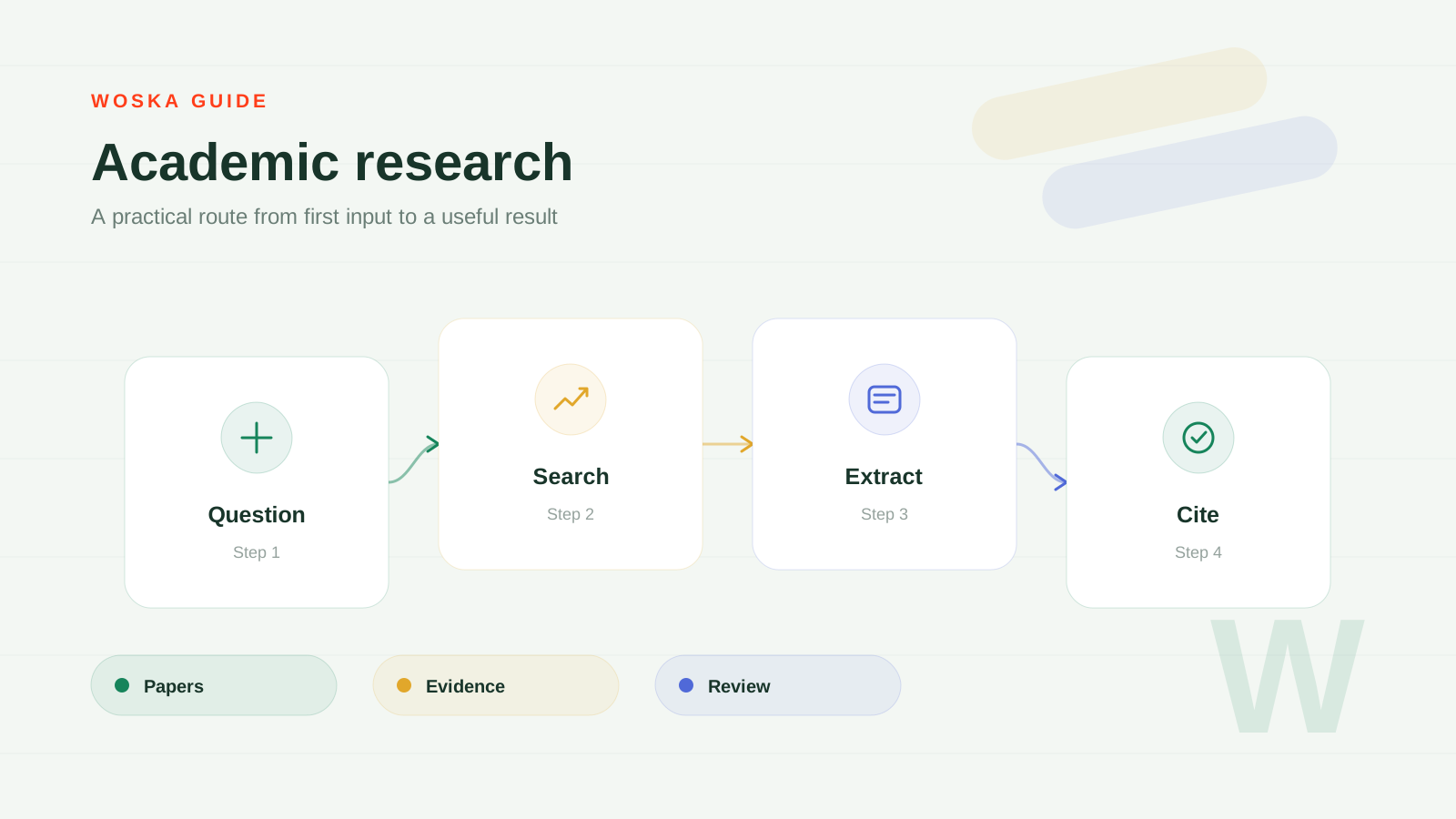
Why Elicit is the strongest starting point
Elicit is a practical research assistant for literature discovery and evidence extraction. It is useful when you have a question, need relevant papers, and want to compare findings without manually opening every paper first.
Use Elicit when the task starts with a research question. It helps narrow a topic, surface papers, and extract structured information, which is more useful for academic work than a generic answer with uncertain sources.
Pricing: Freemium in the woska directory. Confirm current limits before using it for a large research project.
When Consensus is better
Consensus is strong when you want evidence-backed answers from scientific literature. It is useful for fast checks, early topic validation, and finding papers that support or challenge a claim.
When Anara belongs on the shortlist
Anara is better when research management matters. It helps with libraries, source verification, and collaboration around evidence, so it fits ongoing research projects better than one-off searches.
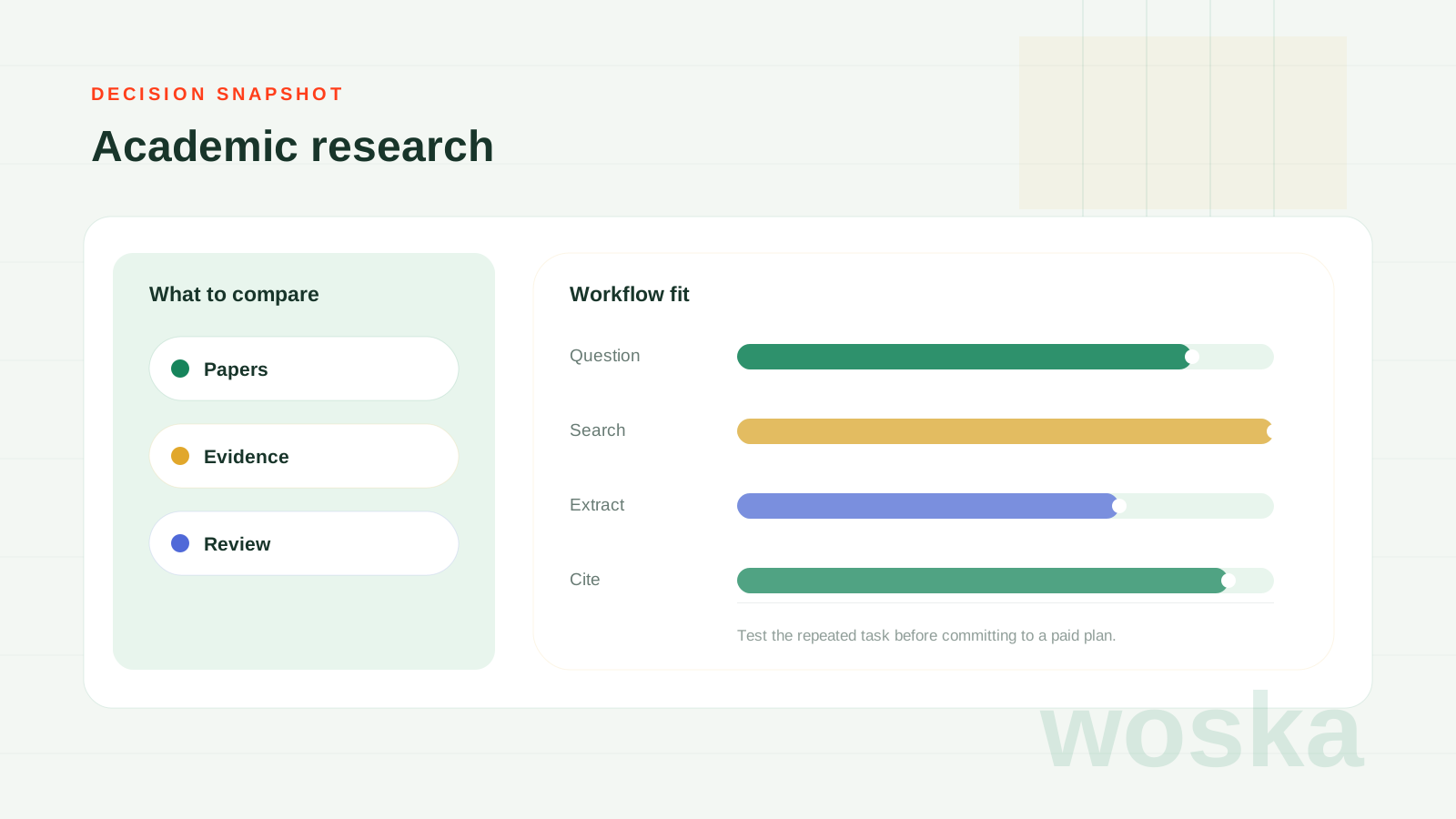
Quick comparison
| Tool | Starting price | Core job | Best fit |
|---|---|---|---|
| Elicit | Freemium | paper discovery and extraction | Literature reviews |
| Consensus | Freemium | evidence-backed answers | Claim checking |
| Anara | Custom | research workflow | Source libraries and teams |
How to choose
Use Elicit for a literature review. Use Consensus for evidence checks. Use Anara when the project needs a reusable research library. For serious academic work, never rely on one tool without reading the original sources.
FAQ
Can AI tools write academic research for me? They can help with discovery, summaries, and structure, but you still need to verify sources, methods, and claims.
Which tool is safest for citations? The safest workflow is tool-assisted discovery plus manual verification. Elicit and Consensus are useful because they keep the work close to papers.
Should I use ChatGPT for academic research? ChatGPT can help synthesize notes, but source discovery should happen in tools built around papers and citations.
Related guides
- Part of our complete guide: AI Productivity & Personal Tools
- Explore Research & Data tools
- ChatGPT vs Perplexity for research
- Best AI tool for data analysis no-code
*Ratings and pricing reviewed monthly. Last updated July 2026.*
Bogdex · Founder & editor, woska
Bogdex builds and curates woska, testing AI tools against real workflows to judge which ones actually save time rather than which have the longest feature list.