Loom wins for fast, async screen recordings anyone on the team can produce without editing — record, get a link, share, done. Kite wins when the demo genuinely needs to look produced, with AI-driven animated presentation effects that turn a raw screen recording into something that looks like a polished product ad. Supercut wins for quick, personal video messages — screen plus camera, shared in seconds, more human than a Loom link but less produced than a Kite. A "software demo video" covers three genuinely different jobs, and picking based on production polish alone misses the actual tradeoff, which is polish versus speed versus personal touch.
Where each one actually wins
Loom is the specialist for fast async screen recordings — record, get a link, share, with AI-generated titles and summaries added automatically. It's the default for internal walkthroughs, quick customer follow-ups, and anything where speed matters more than production value.
Kite turns a screen recording into something that looks like a produced demo — animated presentation effects, AI voiceovers, and polish that closes most of the gap between "someone recorded their screen" and "a video editor produced this." It's the right choice for a demo video that's going on a homepage or into a sales deck, not just a quick internal share.
Supercut is built for recording screen and camera together and sharing a polished video quickly — the personal-touch option, closer to a video message than a formal demo, useful for a founder or rep who wants a prospect to see their face alongside the product.
Quick comparison
| Tool | Core job | Starting price | Best fit |
|---|---|---|---|
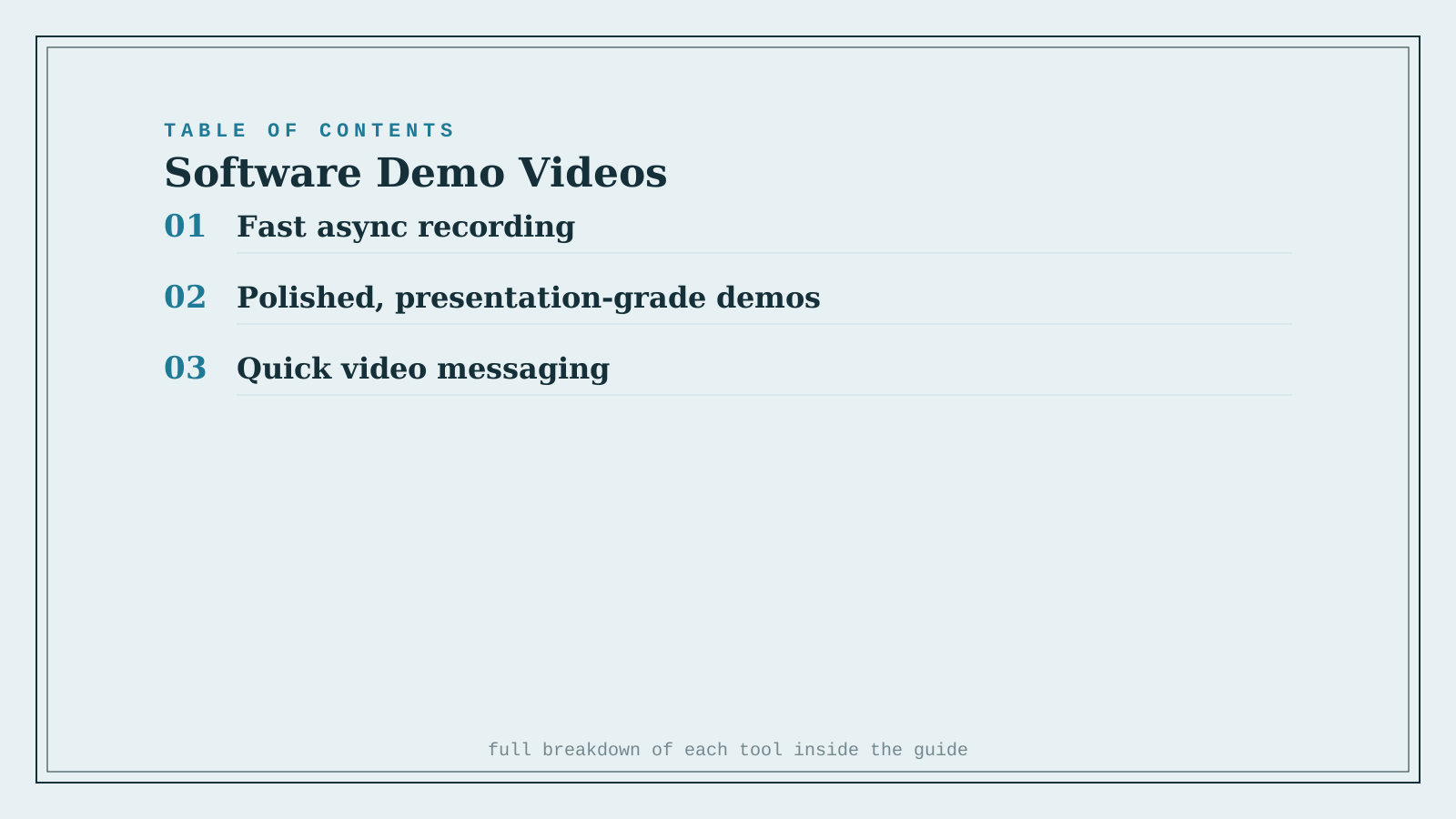
| Loom | Fast async recording | $15/mo | Internal walkthroughs, quick shares |
| Kite | Polished, presentation-grade demos | Paid | Homepage/sales-deck video |
| Supercut | Quick screen + camera video messages | Paid | Personal, human-touch outreach |
Which one should you actually use?
Default to Loom for anything internal or async where speed beats polish — most demo videos a team produces fall into this category. Reach for Kite specifically when the video is customer-facing and permanent (a landing page, an ad, a sales deck asset) where production quality actually affects conversion. Use Supercut when the goal is a personal touch in an outbound or follow-up context, not a formal product demo.
FAQ
Is Kite worth it if Loom already does screen recording? If the video is a one-off internal share, no — Loom is faster and free-to-start. Kite earns its place specifically for demo videos that will be reused repeatedly in a public or sales-facing context, where the extra production time pays off across many views.
Do prospects actually respond better to a personal video (Supercut-style) than a written follow-up? Generally yes for outbound and post-demo follow-up specifically — seeing a face reading tone and context that text can't convey tends to outperform a plain email, though it doesn't replace the need for a clear, scannable written summary alongside it.
Can these tools handle voiceover in a language other than the recorder's own? Kite's AI voiceover capability is the one built for this specifically; Loom and Supercut are primarily built around the recorder's own live voice, not AI-generated narration.
Do I need video editing experience for any of these? No — that's the entire premise of all three. The differences are in output polish and format (async link vs. produced video vs. camera-inclusive message), not in required skill level.
Related guides
- Best AI Tool for Turning a Webinar Recording into Social Clips in 2026
- Top 3 AI Tools for Video Editing
- Explore Video tools
*Ratings and pricing reviewed monthly. Last updated August 2026.*
Bogdex · Founder & editor, woska
Bogdex builds and curates woska, testing AI tools against real workflows to judge which ones actually save time rather than which have the longest feature list.