Buffer wins for a clean, visual calendar with a genuinely useful AI copy assistant, priced simply per connected channel rather than a confusing tier structure. Ocoya wins when you want to generate a full week or month of captions, visuals, and hashtag sets in one batch rather than post by post. Predis.ai wins for teams that need steady output of video and carousel content specifically, not just static captions scheduled onto a calendar. All three plan and schedule a content calendar; the difference is how much of the actual content generation happens inside the tool versus how much you're still writing and designing yourself.
Where each one actually wins
Buffer pairs a clean, visual content calendar with an AI assistant that drafts, refines, and remixes captions, plus draft workflows for team collaboration before anything goes live. Its per-channel pricing (roughly $5-6 per channel per month) scales predictably as you add accounts, without the tiered-feature confusion some competitors use.
Ocoya is built for generating a batch of content at once — captions, matching visuals, and hashtag sets for a full calendar's worth of posts — rather than drafting one post at a time. Its four tiers (from solo freelancer up to agency-scale, managing multiple client workspaces) reflect that batch-generation, higher-output positioning.
Predis.ai focuses on the content itself more than the calendar around it — generating social posts, captions, videos, and carousels for teams that need steady, higher-effort content output rather than just text captions on a schedule. It's the pick when video and carousel volume, not just a calendar view, is the actual bottleneck.
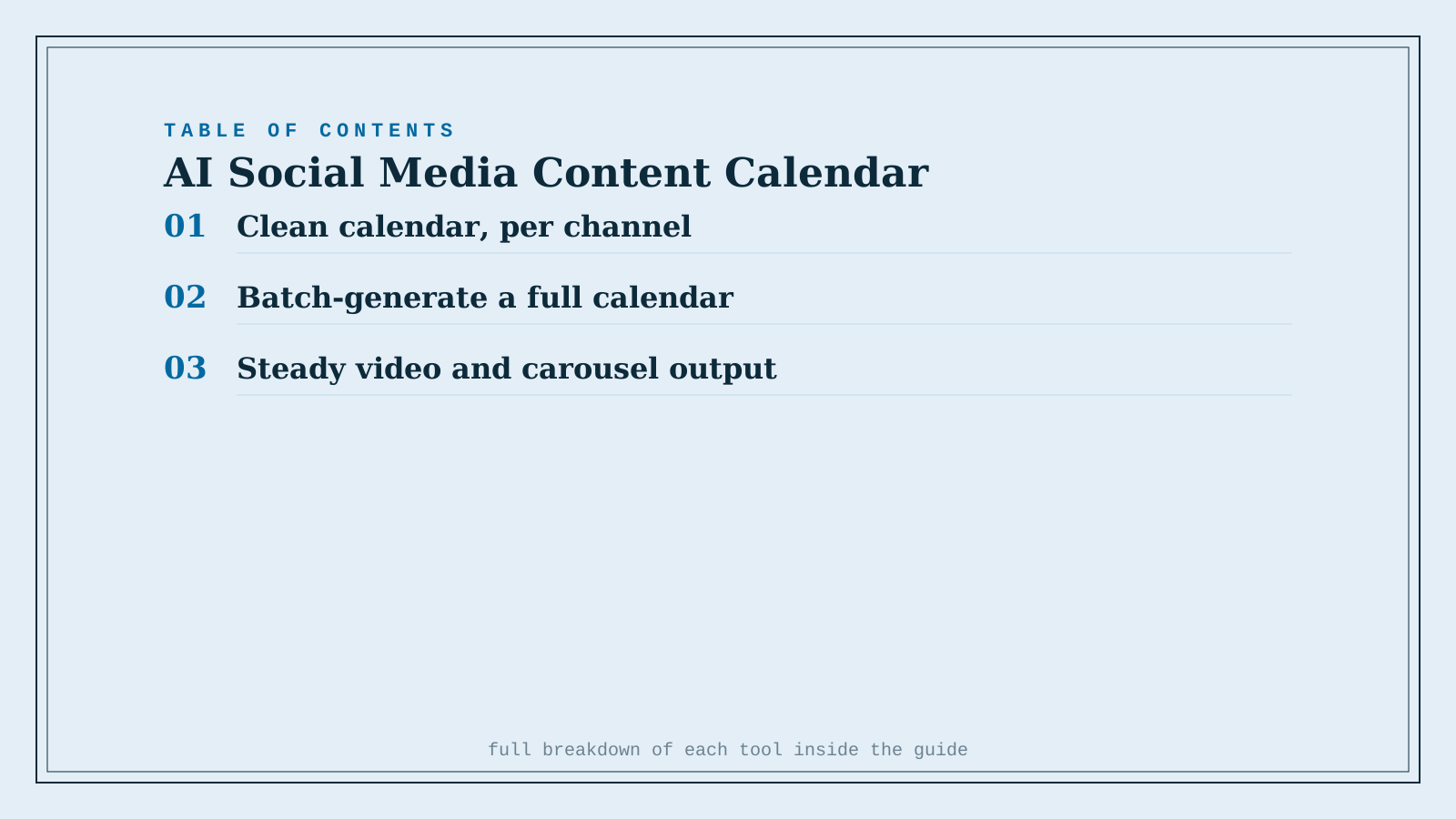
Quick comparison
| Tool | Core job | Starting price | Best fit |
|---|---|---|---|
| Buffer | Clean calendar + AI copy assistant | ~$5-6/channel/mo | Predictable, per-channel pricing |
| Ocoya | Batch-generate a full calendar at once | $19/mo (Bronze) | Generating many posts' worth of content in one pass |
| Predis.ai | Steady video and carousel output | $29/mo | Content volume, not just scheduling, is the bottleneck |
Which one should you actually use?
Start with Buffer if you want a straightforward calendar and captioning assistant without overpaying for features you won't use. Move to Ocoya if generating a full batch of content at once, rather than one post at a time, fits how your team actually plans. Use Predis.ai when video and carousel content specifically — not just text captions — is what your calendar keeps running short on.
FAQ
Can AI actually generate a genuinely good week of social captions, or does it still need heavy editing? It's a strong first draft in most cases, especially for on-brand tone once you've given the tool a few real examples to learn from — but always review for accuracy, and never let AI-generated dates, offers, or claims go live without a human check.
Do these tools know the best time to post for my specific audience? Buffer and similar schedulers analyze your connected accounts' historical engagement to suggest optimal posting times, but "best time" varies enough by audience and platform that it's worth testing against your own account's actual performance rather than trusting a generic recommendation.
Is it worth paying for a content calendar tool if I only post to one or two platforms? At that scale, Buffer's free tier (3 channels, 10 scheduled posts per channel) may cover your needs entirely — check it before committing to a paid plan on any of the three.
How much manual editing does Ocoya's or Predis.ai's generated content typically need? Expect to edit for brand voice and factual accuracy on both — batch-generated captions and visuals are a fast starting point, not a finished, on-brand post, especially early on before the tool has learned your specific style from edits you make.
Related guides
- Best AI Tools for Marketing in 2026 (SEO, Ads, LinkedIn & Content)
- Explore Marketing tools
- All woska guides
*Ratings and pricing reviewed monthly. Last updated September 2026.*
Bogdex · Founder & editor, woska
Bogdex builds and curates woska, testing AI tools against real workflows to judge which ones actually save time rather than which have the longest feature list.