Perplexity wins for research where citation quality is the point, ChatGPT Search wins when the research needs to flow straight into drafting, coding, or file analysis, Gemini wins if you already live inside Google Workspace, and Grok wins for questions where a real-time read on X actually matters. None of the four fully replaces classic Google search, and the honest 2026 answer is to keep two or three of these open and route each question to whichever one fits — not to pick one and abandon the rest.
Where each one actually wins
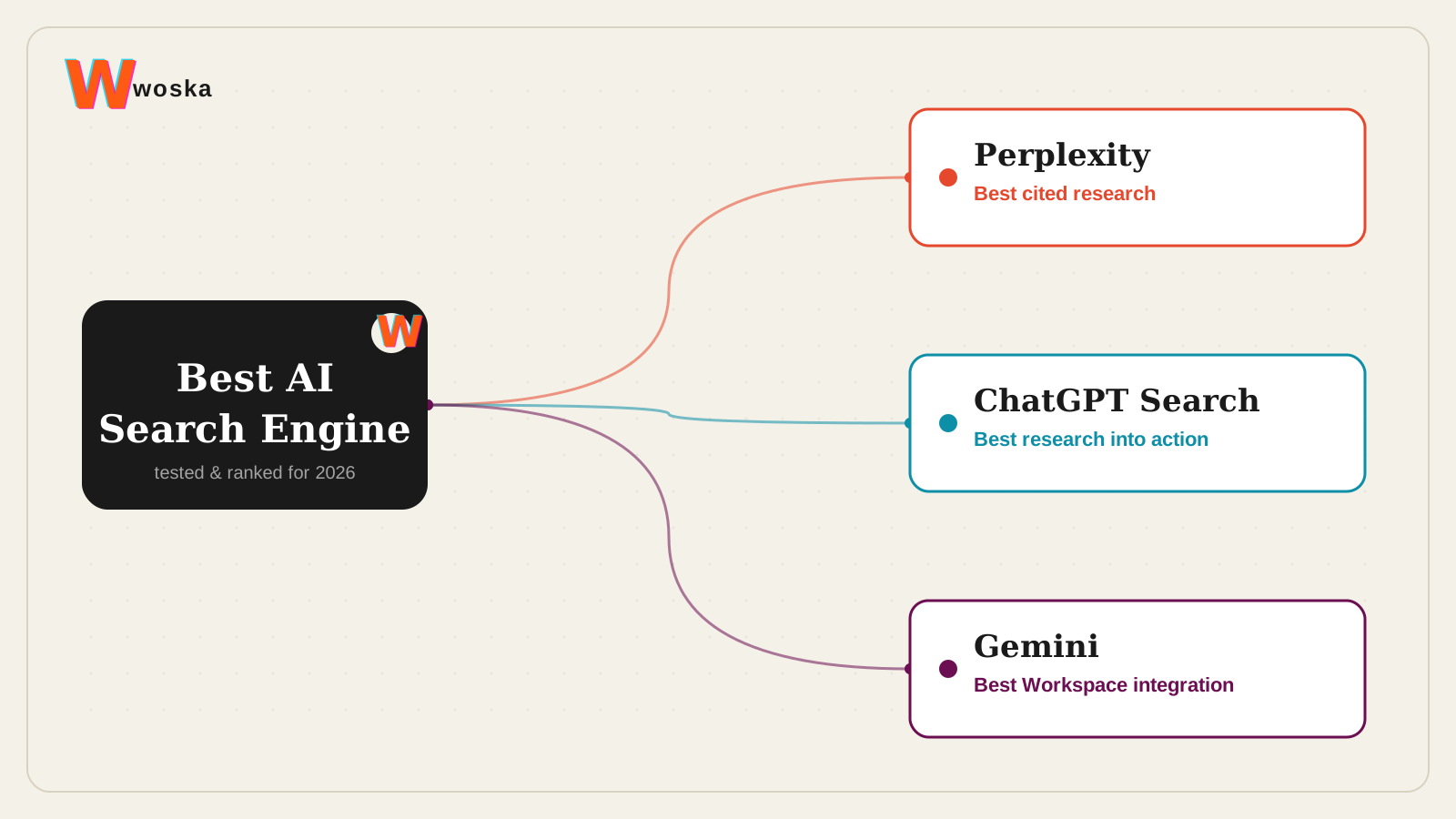
Perplexity is the most search-focused of the four — citations and research controls sit at the center of the experience rather than bolted onto a chat interface. Its free tier is genuinely useful for everyday fact-checking, and its citation quality is the clearest of any tool here, which matters most when you need to show your work.
ChatGPT Search is the better choice the moment web research needs to become something else — a draft, a piece of code, an analysis of an uploaded file. It's less a search engine and more a full assistant with search bolted onto the front, which is exactly the point if search was never the end goal.
Gemini earns its place through integration, not raw search quality: tight ties into Docs, Gmail, and the wider Workspace suite, plus a large context window that's a real differentiator for document-heavy research. If you're already deep in the Google ecosystem, switching search behavior elsewhere adds friction Gemini avoids.
Grok is the one built around real-time grounding in X posts alongside general web results — the right pick specifically when the question is about what's happening *right now* in a fast-moving public conversation, not for research that benefits from settled, citable sources.
When classic Google still wins
None of these four should fully replace a Google search, for one structural reason: AI search engines summarize and synthesize, which is exactly wrong when you need the actual primary source, a specific product listing, local business hours, or anything where an AI-generated summary risks smoothing over an important detail. For transactional queries — buying something, finding a place, checking a fact you'll act on immediately — a classic search with real links to click through still beats a synthesized answer, however well-cited.
Quick comparison
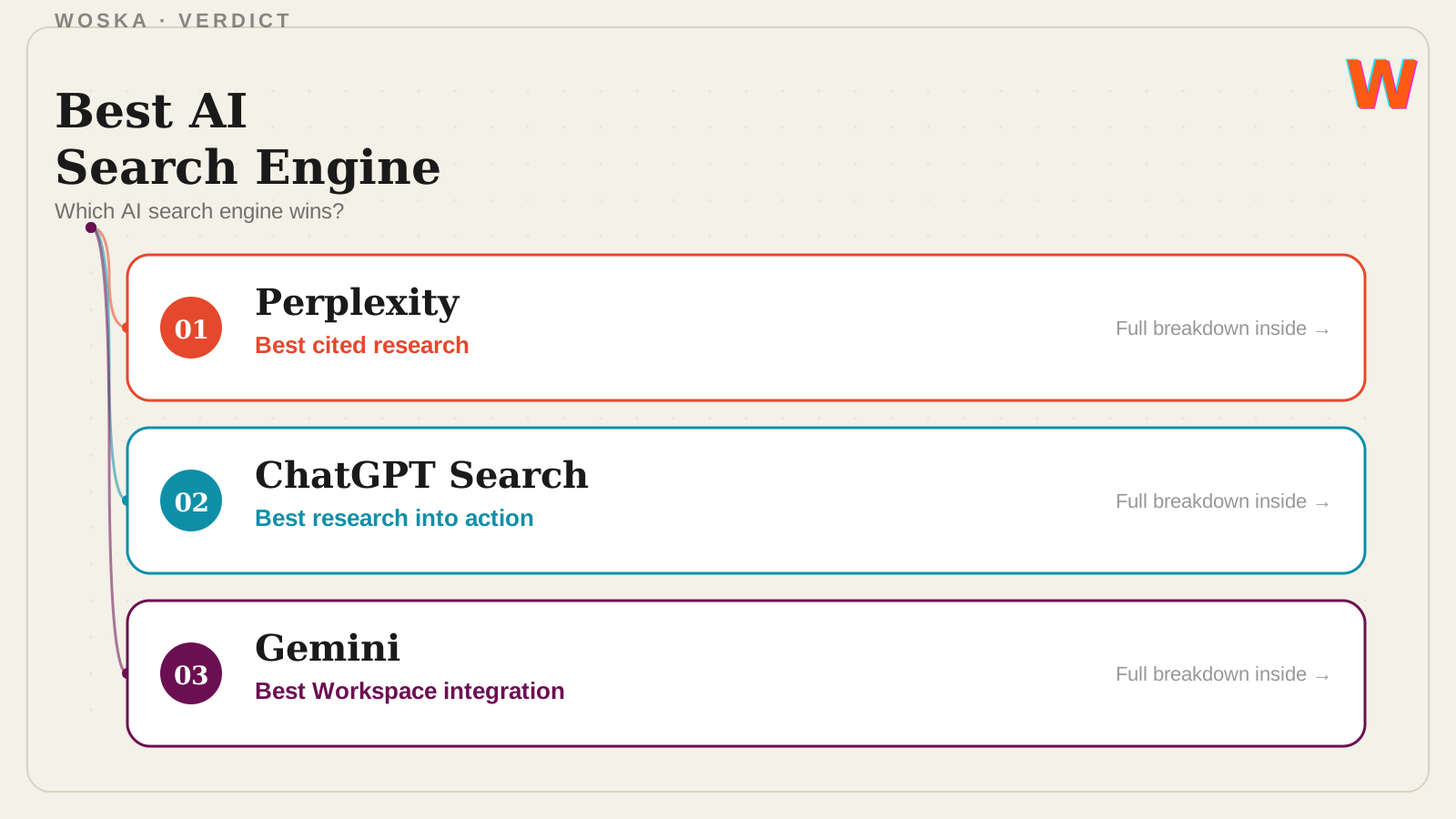
| Tool | Core strength | Best fit | Free tier |
|---|---|---|---|
| Perplexity | Cited research | Fact-checking, sourced answers | Yes, genuinely usable |
| ChatGPT Search | Research → action | Drafting, coding, file analysis after search | Yes |
| Gemini | Workspace integration | Google Docs/Gmail-heavy research | Yes |
| Grok | Real-time X grounding | Fast-moving public conversation topics | Yes |
Which one should you actually open first?
Open Perplexity when the deliverable is the research itself and you need to cite it. Open ChatGPT when the research is step one of a longer task. Open Gemini when the output needs to land directly in a Doc, Sheet, or Gmail draft. Open Grok when the question is genuinely about the last few hours, not the last few years. And keep classic Google in the rotation for anything transactional — it hasn't been replaced, just narrowed to the queries it's still best at.
FAQ
Is one of these objectively "the best" AI search engine? No — independent accuracy benchmarks put Perplexity and ChatGPT close together on general research accuracy, with the real difference showing up in workflow fit (citations-first vs. assistant-first), not raw correctness.
Do I need to pay for any of these to get useful AI search? No — all four have a usable free tier for everyday search. Paid plans mainly unlock deeper "Deep Research" style modes that run longer and produce more thorough reports, which most day-to-day queries don't need.
Which is best for academic or citation-heavy research specifically? Perplexity, by a clear margin — its whole design centers on showing exactly where an answer came from, which is what academic and journalistic use actually requires.
Should I replace Google with one of these entirely? Not fully. Keep an AI search tool for synthesis and research, and keep classic Google for transactional queries — shopping, local listings, anything where you want the actual source page, not a summary of it.
Related guides
*Ratings and pricing reviewed monthly. Last updated August 2026.*
Bogdex · Founder & editor, woska
Bogdex builds and curates woska, testing AI tools against real workflows to judge which ones actually save time rather than which have the longest feature list.