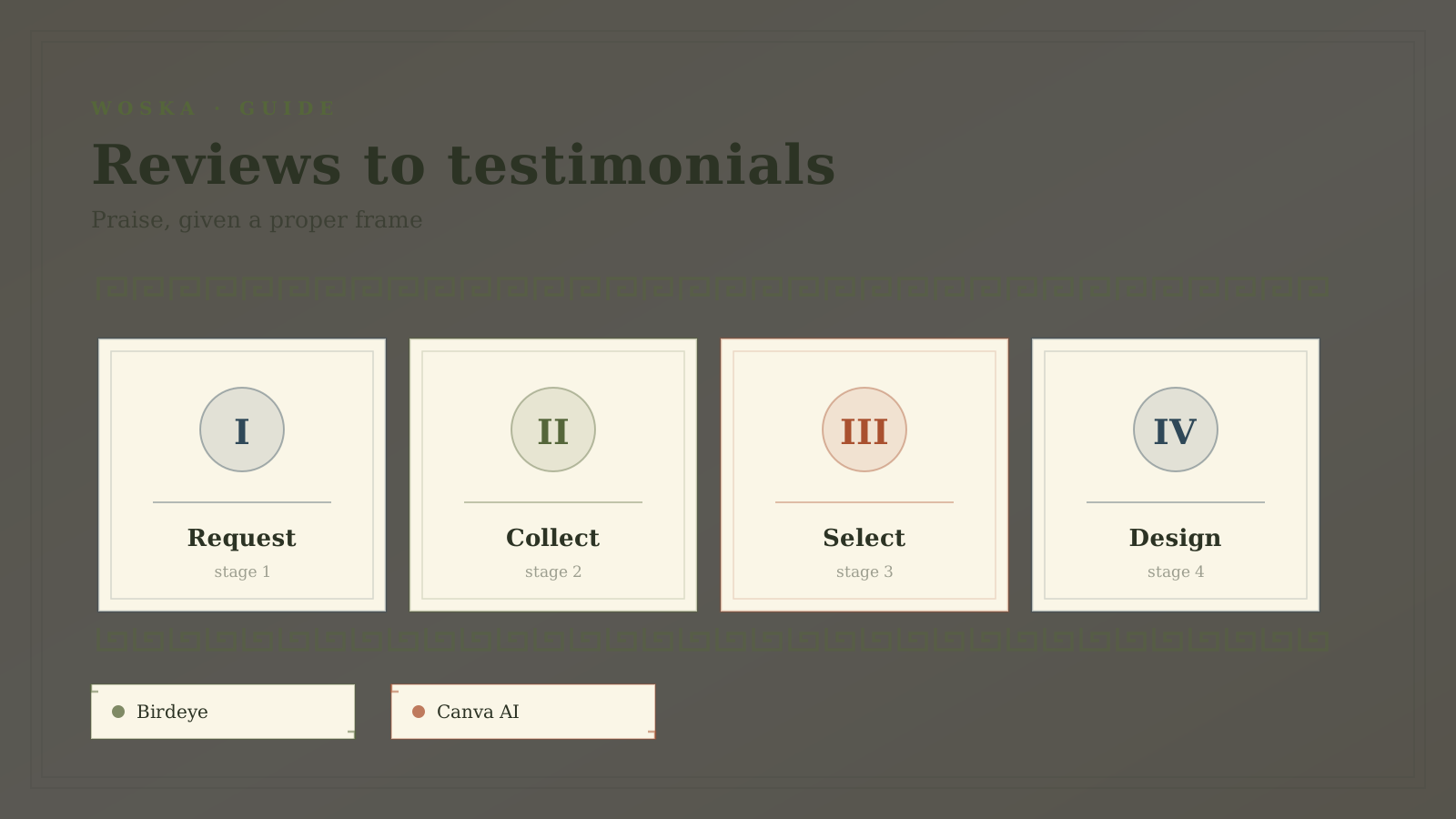
A five-star review sitting on Google or Yelp does almost nothing for marketing unless someone actually pulls it out and puts it in front of a prospect — which most businesses never get around to doing, even when they have dozens of glowing reviews already collected. Birdeye wins for the collection side: automated review requests and a reputation platform built for multi-location businesses, priced per business. Canva AI wins for the second half — turning that review's actual words into a polished, on-brand testimonial graphic ready to post, free to start. Together they close the loop from "happy customer" to "marketing asset" without hiring a designer for each one.
The two, in one line each
Birdeye is a reputation, review, and messaging platform for multi-location businesses, with an AI chatbot and automated review requests built in.
Canva AI brings AI-assisted writing, image, and design features into a familiar editor for social posts and presentations, free to start.
Where each one actually wins
Birdeye wins at getting the reviews to exist in the first place — most customers won't leave a review unprompted, so automated review requests sent at the right moment (right after a good experience) are what actually generates the volume of reviews worth mining for testimonials later, especially across multiple locations where doing this manually per site doesn't scale. Canva AI wins at the last step — take the specific sentence a customer actually wrote, drop it into a branded template with their name and a star rating, and export something that looks intentional rather than a screenshot of a review page, ready to post on social or drop into a sales deck.
Quick comparison
| Tool | Core strength | Starting price | Best fit |
|---|---|---|---|
| Birdeye | Collecting reviews at volume | Custom pricing | Multi-location businesses needing more reviews |
| Canva AI | Turning a review into a shareable graphic | Free | Making one great review into a marketing asset |
Which one should you use?
Use Birdeye if your actual bottleneck is getting enough reviews in the first place. Use Canva AI once you already have good reviews sitting unused and need to turn them into something postable.
FAQ
Do I need permission from a customer to use their review as a testimonial? Public reviews on platforms like Google are generally fair to quote and attribute, but it's good practice to check the specific platform's terms and, for anything more prominent like a case study, get the customer's explicit okay first.
How many reviews do I actually need before this is worth doing? Even a handful of specific, detailed reviews can produce strong testimonials — quality and specificity in the customer's own words matter more than raw volume for what actually converts a prospect.
Can I automate the whole thing, from review request to posted graphic? Getting review requests out is straightforward to automate with Birdeye; turning a specific review into a graphic still benefits from a human picking the best, most specific reviews rather than templating every single one that comes in.
What if most of my reviews are generic, like "great service"? Generic reviews make weak testimonials — consider asking a specific follow-up question in the review request itself ("what specifically stood out?") to prompt more usable, detailed responses.
Related guides
- Best AI Customer Support Chatbot for Small Business in 2026
- Best AI Tool for Influencer Marketing in 2026
- AI Tools for Local Service Businesses in 2026
- Explore Marketing tools
*Ratings and pricing reviewed monthly. Last updated September 2026.*
Bogdex · Founder & editor, woska
Bogdex builds and curates woska, testing AI tools against real workflows to judge which ones actually save time rather than which have the longest feature list.