Square is the best pick for new and small retailers — its free POS software comes with built-in ecommerce and one of the fastest setups in the category, plus AI increasingly used for marketing campaign suggestions and risk management. Clover is the best pick for established businesses that want more hardware choices and merchant processor flexibility, using Fiserv's network for AI-driven fraud detection. Both replace a cash register and a separate card reader with one system that rings up sales, tracks inventory, and takes payment.
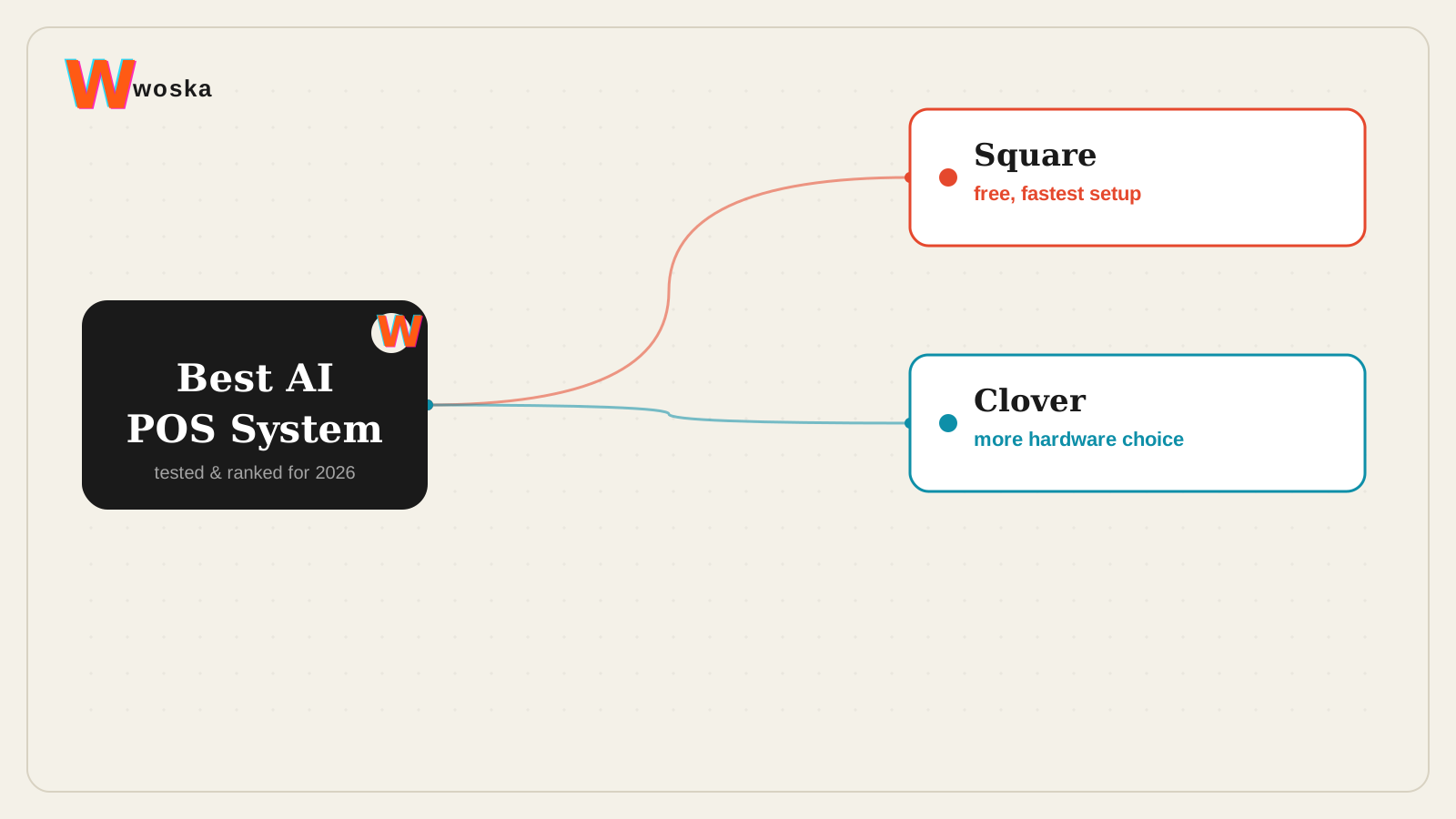
The two, in one line each
Square is free POS software with built-in ecommerce and one of the fastest setups available, increasingly layering in AI for marketing campaign suggestions and fraud risk management as a business grows.
Clover is a POS system built for established businesses that want more hardware choices and merchant processor flexibility, running on Fiserv's network with AI fraud detection built in.
Where each one actually wins
Square wins for new and small retailers that want to start selling fast without a big upfront investment — its free plan, built-in ecommerce, and low learning curve make it the easier on-ramp for a first-time POS setup. Clover wins for established businesses ready to shop for hardware and processor terms — its flexibility through the Fiserv network gives merchants more room to negotiate processing rates and pick hardware suited to their specific retail or restaurant setup.
If you're opening a new store or running a small retail operation and want to start fast with no upfront cost, Square's free plan and quick setup are the more direct fit. If you're an established business that wants more control over hardware and processor terms, Clover's flexibility through the Fiserv network is built for that stage.
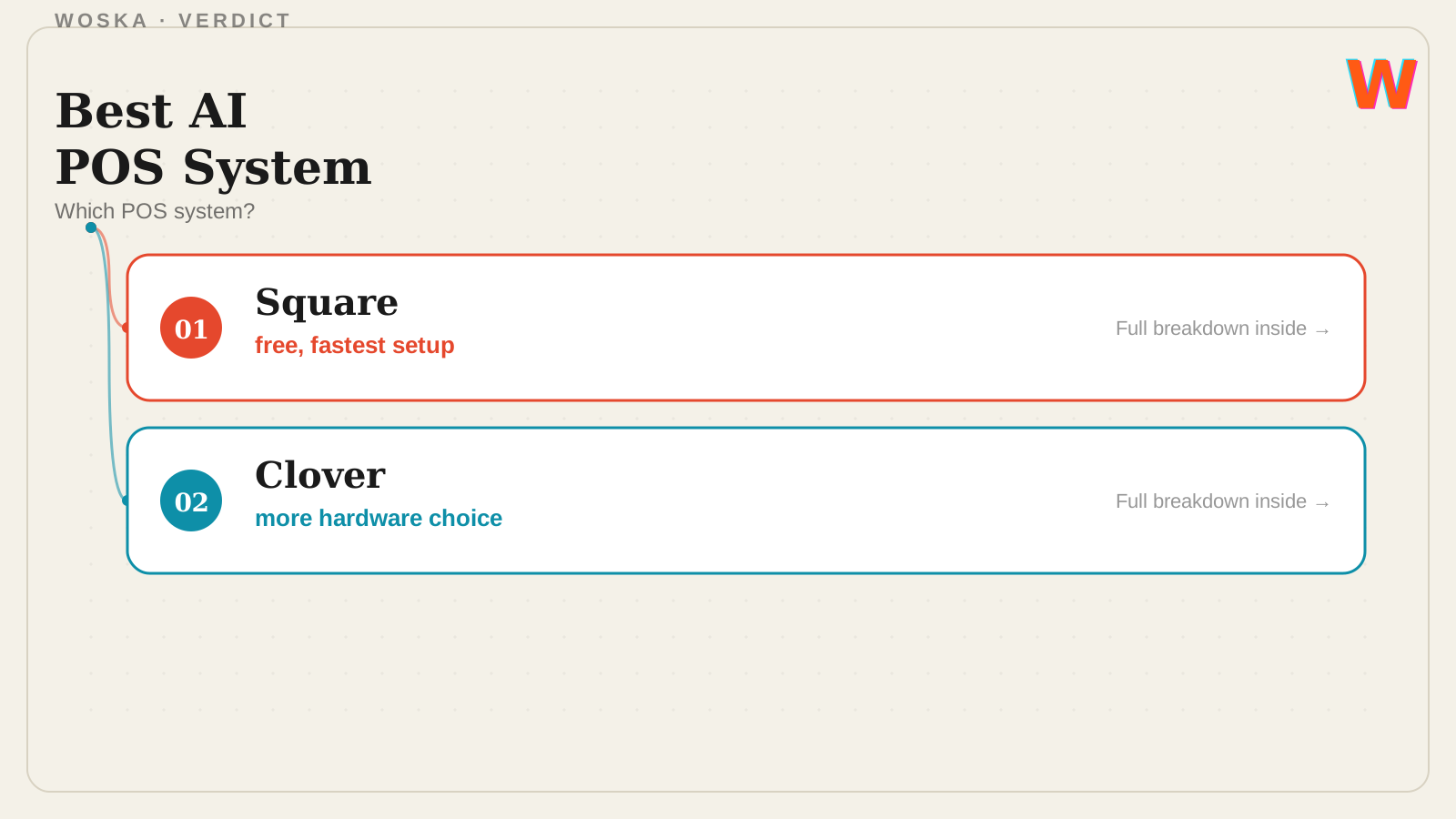
Quick comparison
| Tool | Starting price | Core job | Best fit |
|---|---|---|---|
| Square | Free, paid plans from $49/mo | POS + built-in ecommerce | New and small retailers |
| Clover | Paid, custom pricing | POS with hardware/processor flexibility | Established businesses |
Which one should you use?
Choose Square if you're a new or small retailer that wants a free, fast-to-set-up POS with built-in ecommerce. Choose Clover if you're an established business that wants more choice in hardware and payment processor terms.
FAQ
Can I switch from Square to Clover later as my business grows, or vice versa? Switching POS systems is possible but involves migrating product catalogs, transaction history, and retraining staff — it's generally easier to evaluate both up front based on where your business is headed rather than planning to switch later.
Does Clover lock me into a specific payment processor? Clover hardware can be tied to the payment processor selected during setup depending on how you purchase it, so it's worth confirming processor flexibility with your specific Clover reseller before committing to hardware.
Is Square really free, or are there hidden costs? Square's base POS software is free, but per-transaction processing fees still apply on every sale, and paid plans with additional features start at $49 a month — check current transaction rates for your business type before deciding.
Do either of these systems handle both online and in-person sales? Yes — Square has built-in ecommerce alongside its in-person POS, and Clover supports omnichannel setups as well, though the depth of each platform's online sales tools is worth comparing against your specific online sales volume.
How does AI fraud detection actually help a small retailer? AI fraud detection flags unusual transaction patterns in real time, which can catch fraudulent chargebacks or stolen-card use before they become a bigger financial loss than a small retailer can absorb.
Related guides
- Best AI Field Service Management Software in 2026
- Best AI Retail Inventory Management Tool in 2026
- Best AI Restaurant Online Ordering Platform in 2026
- Explore Business tools
*Ratings and pricing reviewed monthly. Last updated September 2026.*
Bogdex · Founder & editor, woska
Bogdex builds and curates woska, testing AI tools against real workflows to judge which ones actually save time rather than which have the longest feature list.