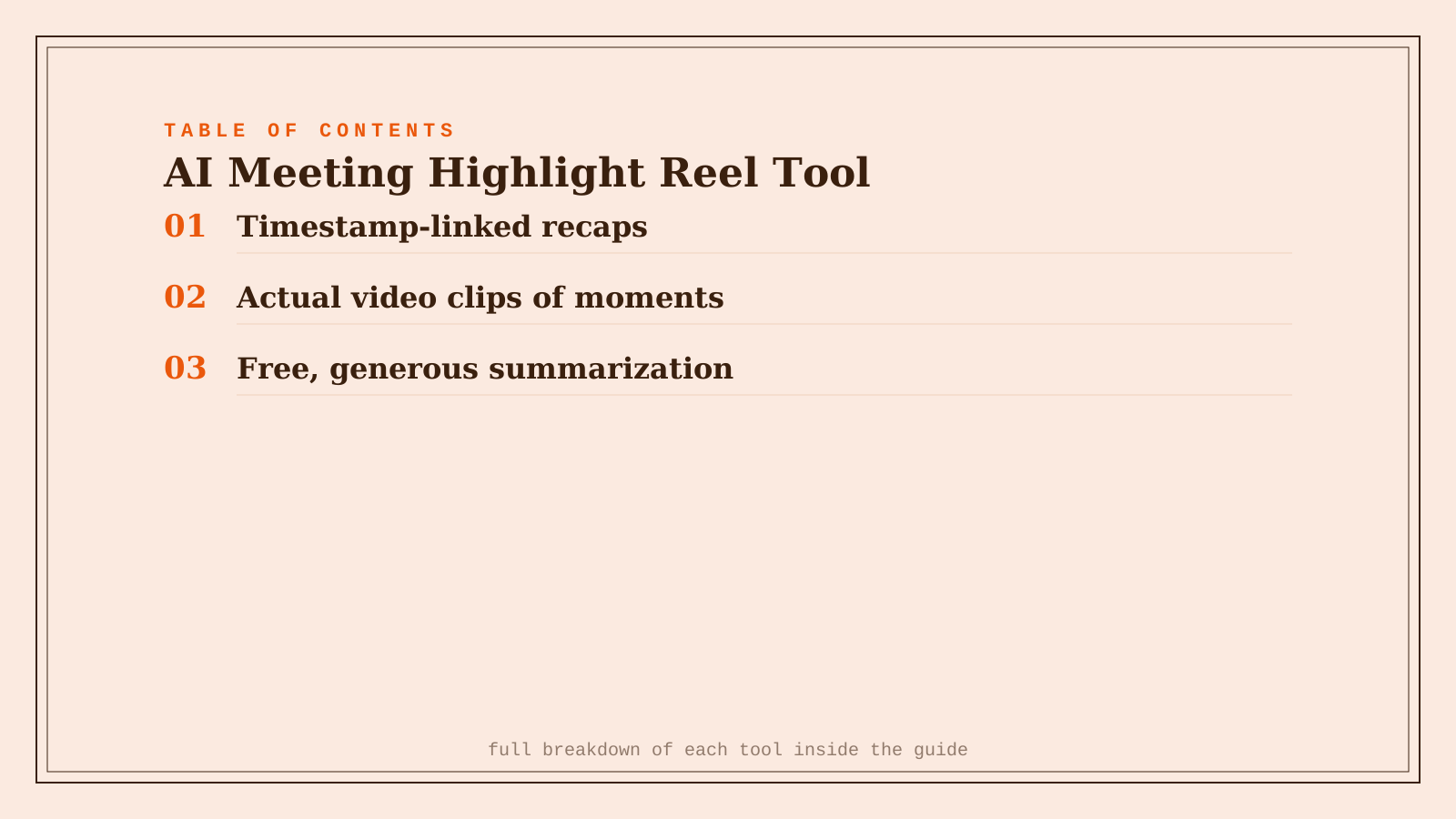
tl;dv wins for turning a meeting into shareable, timestamp-linked recaps — each highlight jumps straight to that exact moment in the recording, ideal for sharing async without making someone scrub through the whole call. Grain wins when the actual output you need is a video clip, not just a text summary, letting you pull a specific moment out for a highlight reel or a quick share on Slack. Fathom wins on price for straightforward, full meeting summarization — it's free and unlimited across Zoom, Google Meet, and Microsoft Teams, with no per-seat cost gating the core feature. A full meeting transcript solves "what was said," but nobody wants to read all of it later — these three exist specifically to answer "what actually mattered" in a format someone will actually watch or read.
Where each one actually wins
tl;dv pulls short recaps tied to specific key moments in a call, and each highlight links directly to that timestamp in the full recording — so sharing a decision or a key point with someone who missed the meeting means sending them a 30-second jump-to-the-moment link, not a full transcript to search through.
Grain is built around clipping actual video moments from a recorded meeting for async sharing — a customer objection, a specific commitment someone made, a product reaction — turning a long call into a handful of short, shareable clips rather than a written summary alone.
Fathom offers unlimited free meeting summarization across the three major platforms (Zoom, Google Meet, Microsoft Teams), with a clean interface that highlights key moments without a paywall gating the core functionality. For most individuals and small teams, it's simply the least expensive way to get real value here.
Quick comparison
| Tool | Core output | Starting price | Best fit |
|---|---|---|---|
| tl;dv | Timestamp-linked text recaps | Free; $18/mo Pro | Sharing a specific moment without a full transcript |
| Grain | Actual video clips of key moments | $19/mo | Highlight reels and video-based async sharing |
| Fathom | Full summarization, generous free tier | Free | Straightforward summaries at no cost |
Which one should you actually use?
Start with Fathom if you want solid, free meeting summarization without evaluating a paid tier. Move to tl;dv if you specifically want shareable highlights that link back to the exact moment in the recording. Use Grain when the deliverable genuinely needs to be a video clip — a highlight reel, a moment to drop into a Slack channel — not a text summary.
FAQ
Do these tools need to join the meeting as a visible bot, or can they work silently? All three typically join as a visible recording bot in the call, which is worth disclosing to other participants — some organizations have policies requiring explicit consent before an AI notetaker joins a call.
Can I generate a highlight reel from a meeting that already happened, or only in real time? All three process recordings after the fact as well as live calls, so a meeting recorded through your video platform's own recording feature can typically still be uploaded or synced for highlight generation afterward.
How accurate is AI at identifying which moments in a meeting actually matter? Generally good at flagging clear decisions, action items, and strong reactions, but it can miss context-dependent significance a human would catch — a quiet comment that turns out to matter a lot later isn't something automatic highlighting reliably identifies.
Is a free tool like Fathom missing something a paid tool like Grain or tl;dv Pro offers? Mainly video-clip creation and deeper team analytics — Fathom's free tier covers solid text summarization, but if the actual deliverable needs to be a shareable video moment, Grain specifically is built for that in a way Fathom isn't.
Related guides
- Best AI Meeting Notes Tool in 2026: Otter vs Fireflies vs Fathom vs Granola
- Best AI Notetaker for Sales Calls in 2026
- Explore Productivity tools
*Ratings and pricing reviewed monthly. Last updated September 2026.*
Bogdex · Founder & editor, woska
Bogdex builds and curates woska, testing AI tools against real workflows to judge which ones actually save time rather than which have the longest feature list.