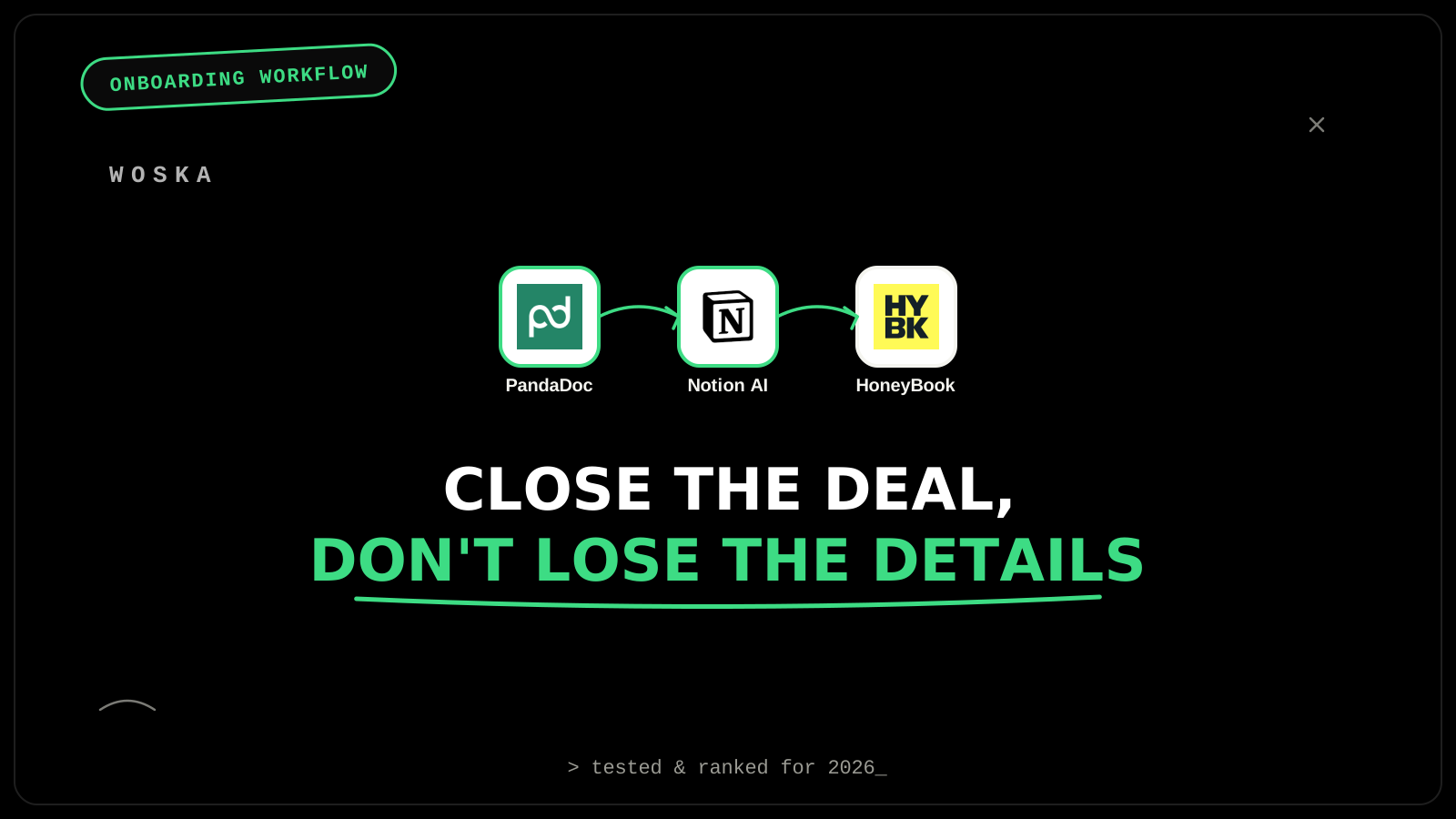
PandaDoc (or HoneyBook for a smaller service business) turns a signed deal into a proposal-to-kickoff document flow without manual re-entry, and Notion AI keeps a searchable record of every client's onboarding details so nothing gets lost in the handoff from the person who closed the deal to the person who delivers the work. Most onboarding failures aren't a tooling problem so much as an information-loss problem — details a salesperson knew that never made it to delivery — and this workflow closes that specific gap.
The workflow, step by step
Step 1 — capture everything at the point of sale. PandaDoc generates the proposal, contract, and any onboarding intake form as one connected document flow, so the details a prospect provides during the sales process (goals, constraints, key contacts) are captured structurally instead of scattered across email threads nobody reads later.
Step 2 — hand off into a living record, not a PDF nobody opens again. Notion AI turns the signed contract and intake details into a structured, searchable onboarding page — the delivery team's actual source of truth, not the original PDF sitting in someone's inbox.
Step 3 — for service businesses, run the whole relationship in one flow. HoneyBook is worth using instead of PandaDoc-plus-a-separate-system specifically for smaller service businesses, since it already connects the proposal, contract, scheduling, and invoicing steps in one place rather than requiring a second tool for the record-keeping layer.
Why the sales-to-delivery handoff is where onboarding actually breaks
The person who closes a deal usually knows things — specific requirements, a promise made during the sales process, a stated deadline — that never make it into whatever system the delivery team actually works from. Building the intake form directly into the contract flow (Step 1) instead of a separate onboarding call forces that information to be captured once, structurally, rather than depending on the closer to remember and separately communicate it.
Quick comparison
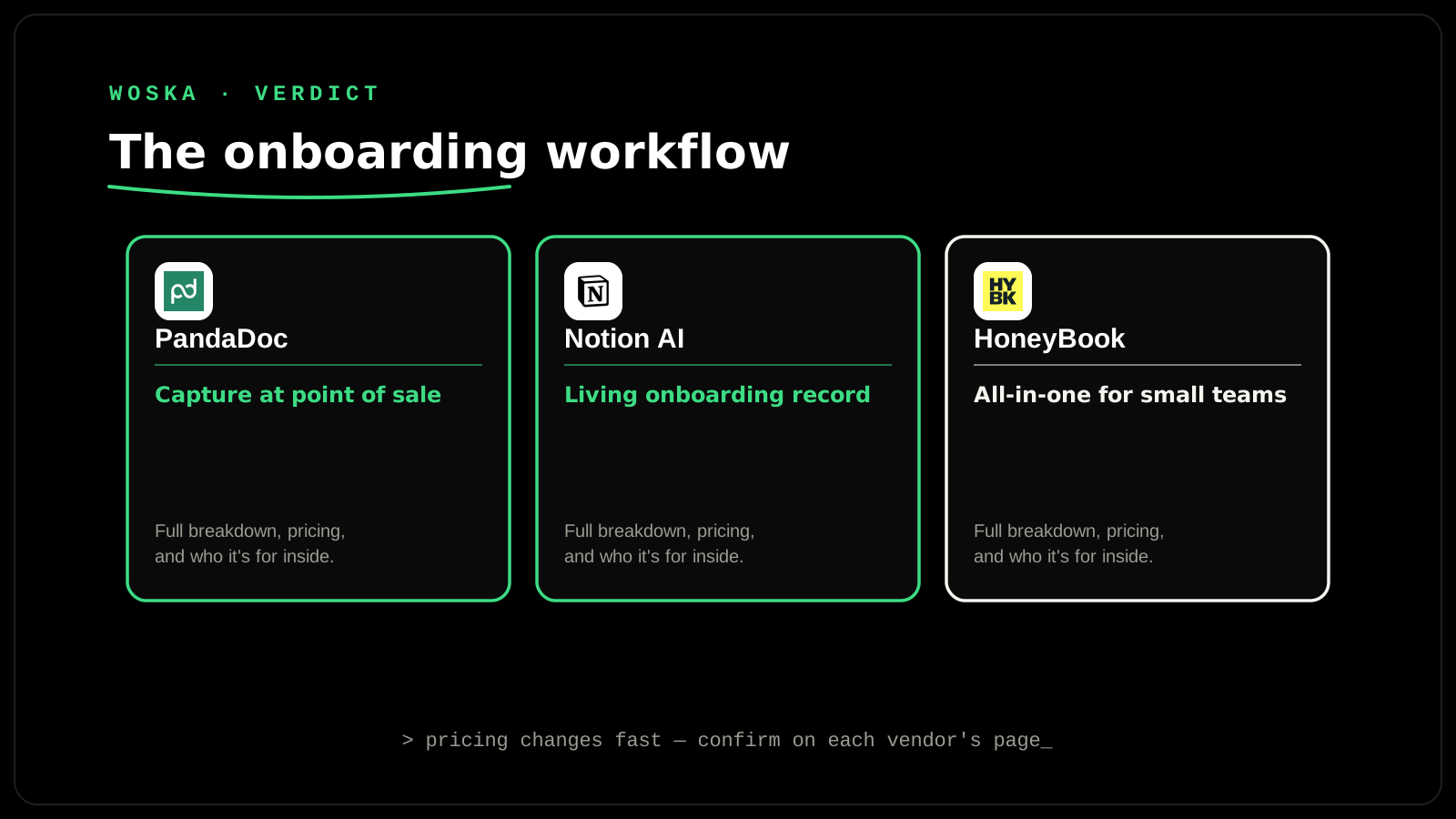
| Tool | Role in the workflow | Starting price | Job |
|---|---|---|---|
| PandaDoc | Proposal + contract + intake in one flow | From $19/mo | Capturing details at the point of sale |
| Notion AI | Searchable onboarding record | From $20/user/mo (Business) | The delivery team's actual source of truth |
| HoneyBook | All-in-one client flow for smaller service businesses | From $19/mo | One tool instead of two for solo/small teams |
How to actually run this for a growing team
Build the intake questions directly into your proposal or contract template once, so every new client automatically goes through the same structured capture rather than depending on whoever's closing that particular deal to remember to ask. Assign one person (not "whoever has time") to move signed-contract details into the Notion AI record within a fixed window — same day, ideally — before details start to go stale in someone's memory. Revisit the intake questions themselves quarterly, since the information delivery actually needs tends to shift as your service offering evolves.
FAQ
Is this workflow overkill for a very small business with only a few clients a month? The lighter HoneyBook-only version scales down fine for low volume — the full PandaDoc-plus-Notion AI setup pays off more clearly once you have enough simultaneous clients that details genuinely start getting lost between people.
Can this replace a dedicated customer onboarding software platform? For a small-to-mid-size B2B service business, yes, reasonably well — dedicated onboarding platforms add more structured task tracking and client-facing portals, which becomes worth the extra cost and complexity once onboarding volume or complexity grows past what these three tools comfortably handle.
Who should own updating the Notion AI onboarding record after a deal closes? Whoever owns the client relationship going forward, not whoever closed the deal — the goal is a record the delivery team trusts and maintains, not a one-time handoff document nobody revisits.
Does using AI tools for onboarding paperwork feel impersonal to a new B2B client? Not if the human parts of onboarding (a real kickoff call, a named point of contact) stay human — these tools remove the administrative friction around onboarding, not the relationship-building part clients actually notice.
Related guides
- Best AI Proposal and E-Signature Tool in 2026
- How to Use Notion AI as Your Sales Team's Shared Playbook in 2026
- Part of our complete guide: AI Tools for Sales & Business Ops
- Explore Business & Sales tools
*Ratings and pricing reviewed monthly. Last updated September 2026.*
Bogdex · Founder & editor, woska
Bogdex builds and curates woska, testing AI tools against real workflows to judge which ones actually save time rather than which have the longest feature list.